
TFT Displays
Customized TFT solutions for industry and medical technology
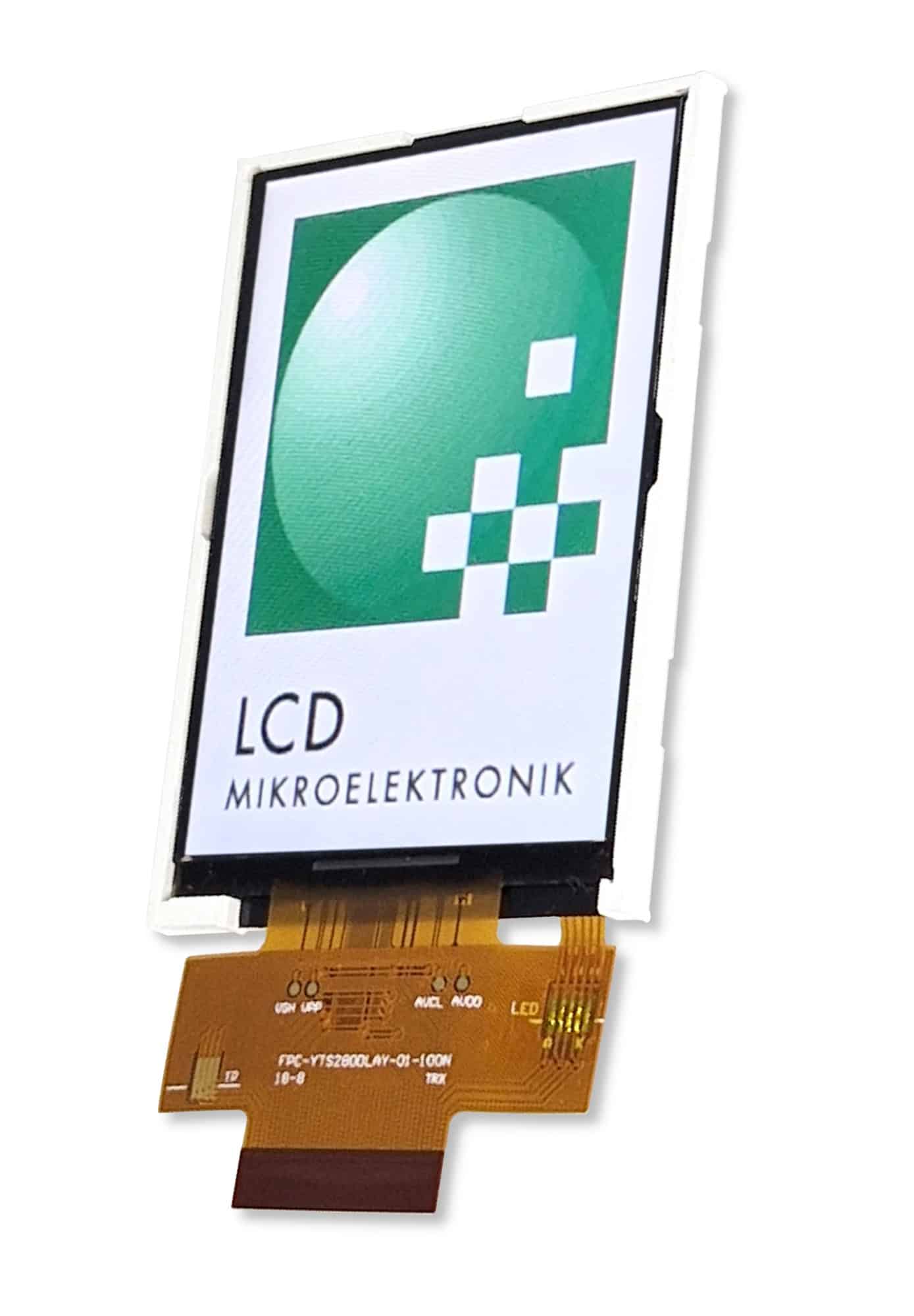
TFT displays have been proven for over 20 years and are now an industry standard, long-term available, reliable, and versatile.
Available in numerous formats, combinable with touch and cover glass, they provide a low-maintenance and reliable foundation for modern operating concepts.


Custom-Designed, as Unique as Your Product
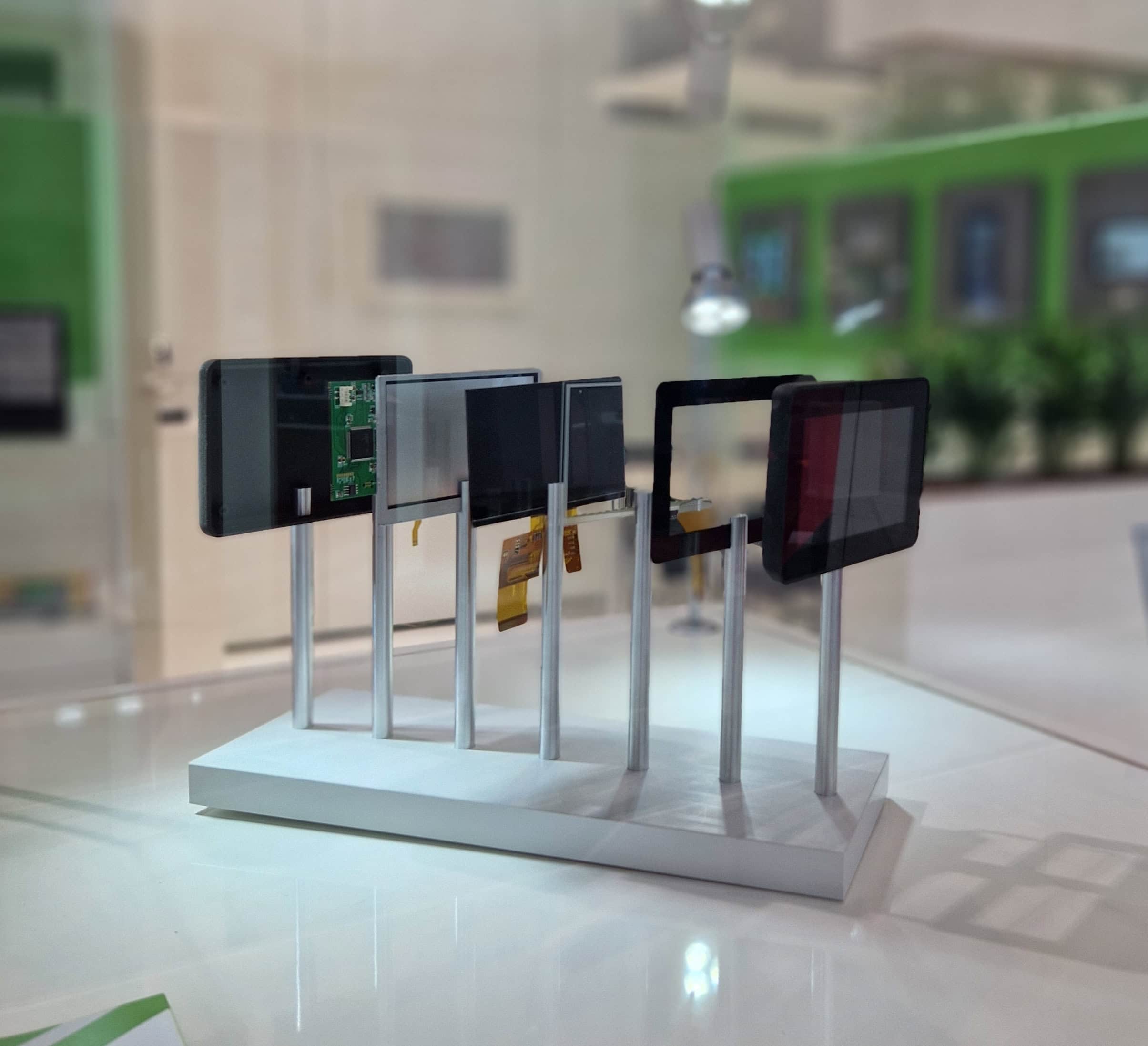
We custom-adapt your TFT display to your specific requirements – from specialized dimensions and individual interfaces (SPI, I²C, LVDS, or HDMI) to optimized backlighting, integrated touch solutions, and cover glass. This ensures your display is precisely tailored to your application and design.
Our Industry Solutions:
Engineered in Germany
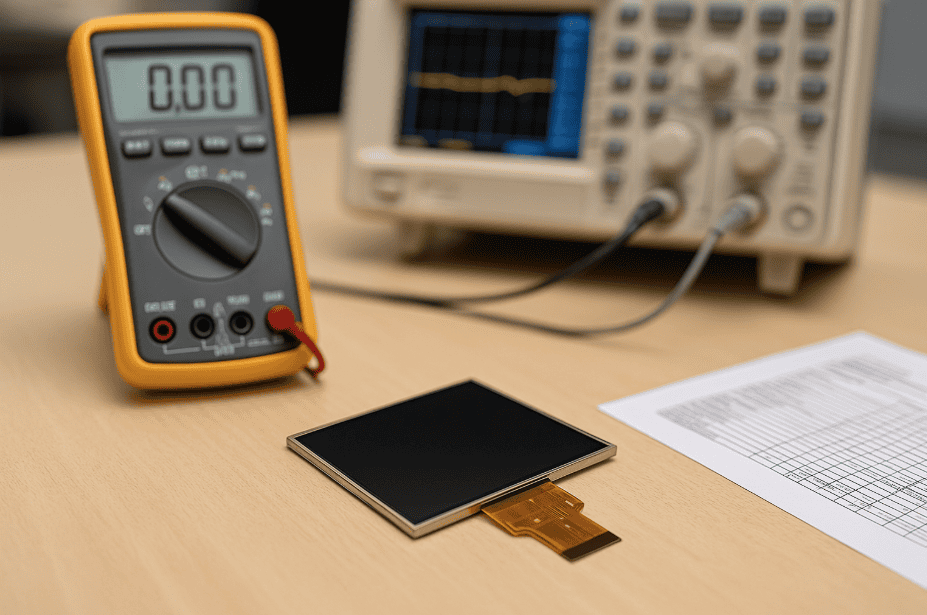
We provide comprehensive support for the development and integration of TFT displays into your application. Our consultation covers all relevant aspects – from lifespan, response time, and EMC behavior to obsolescence management and optimal integration into industrial devices and HMI systems. Already during the design phase, we analyze the entire product environment and specific requirements to enable technically sound, time-efficient, and cost-saving assembly.
Are you looking for a specific size? Check panel availability in our standard list.
Long-Term Availability and Easy to Clean
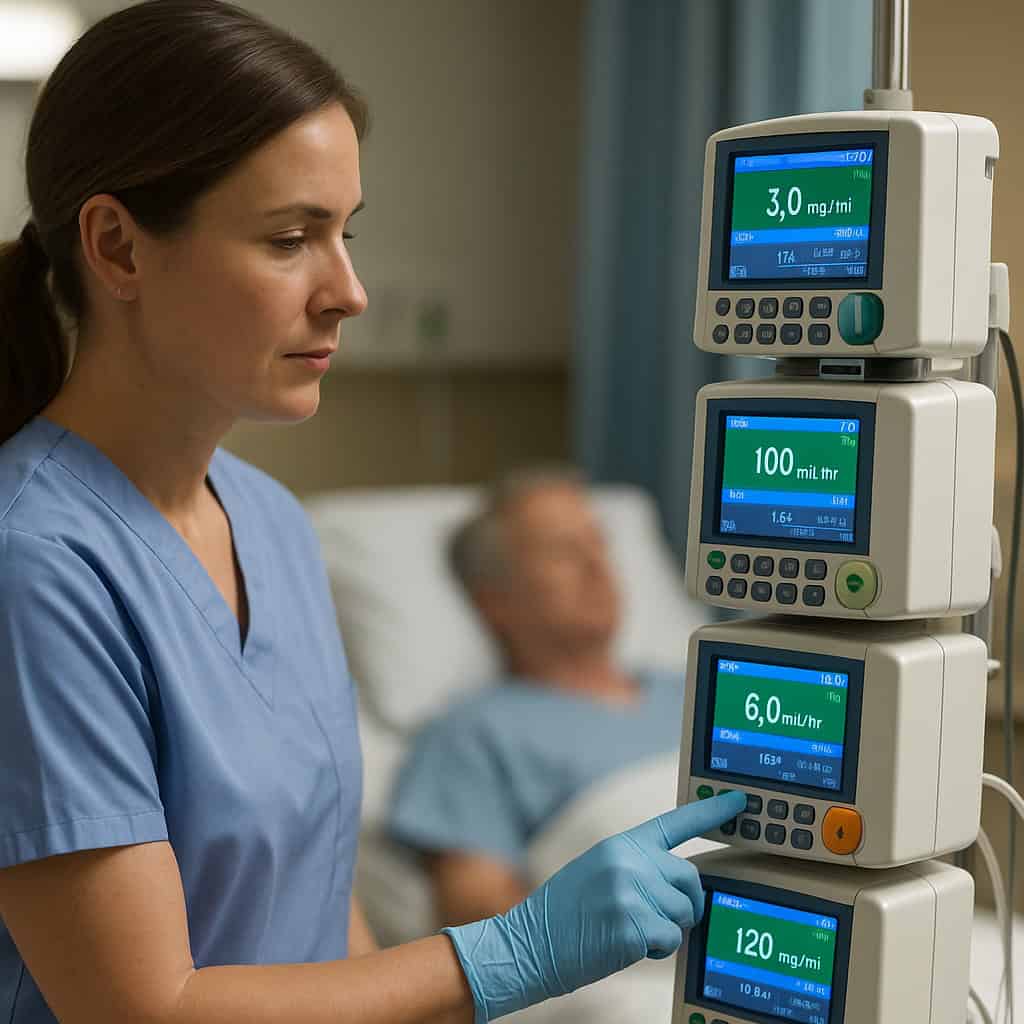
For use in medical technology, long-term availability and supply security are crucial for TFT displays to ensure devices can be supplied for many years without re-certification. Equally important are excellent display quality with high resolution and readability from every viewing angle, as well as hygienic screen cleaning. Special cover glasses and tightly integrated touch panels ensure lasting reliability in medical environments.
EMC Compliant and ATEX Certified
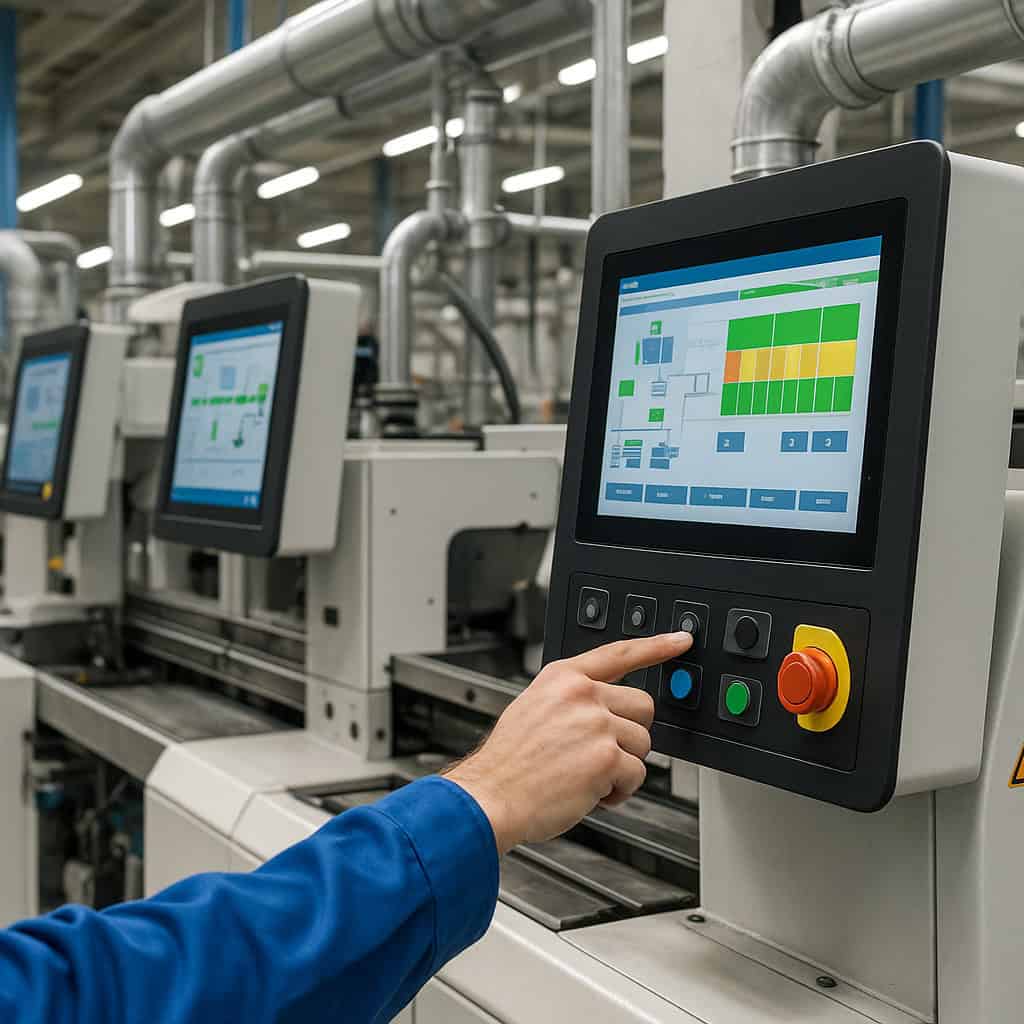
In industrial applications, TFT displays must withstand extreme conditions. These include wide temperature ranges, direct solar radiation, and long-term availability for reliable operation over many years. Equally important are high EMC compatibility and – if required – compliance with ATEX safety requirements for potentially explosive atmospheres. Robust construction, optimized brightness, and reliable readability ensure consistently safe functionality even under harsh environmental conditions.
Modern and Cost-Effective
In smart home and building automation applications, TFT displays impress with appealing design and excellent visual representation at competitive prices, often below those of passive LCDs. Depending on the installation location, they must reliably withstand varying climatic conditions. Good readability from different viewing angles and under diverse lighting conditions ensures convenient operation of controls and displays.
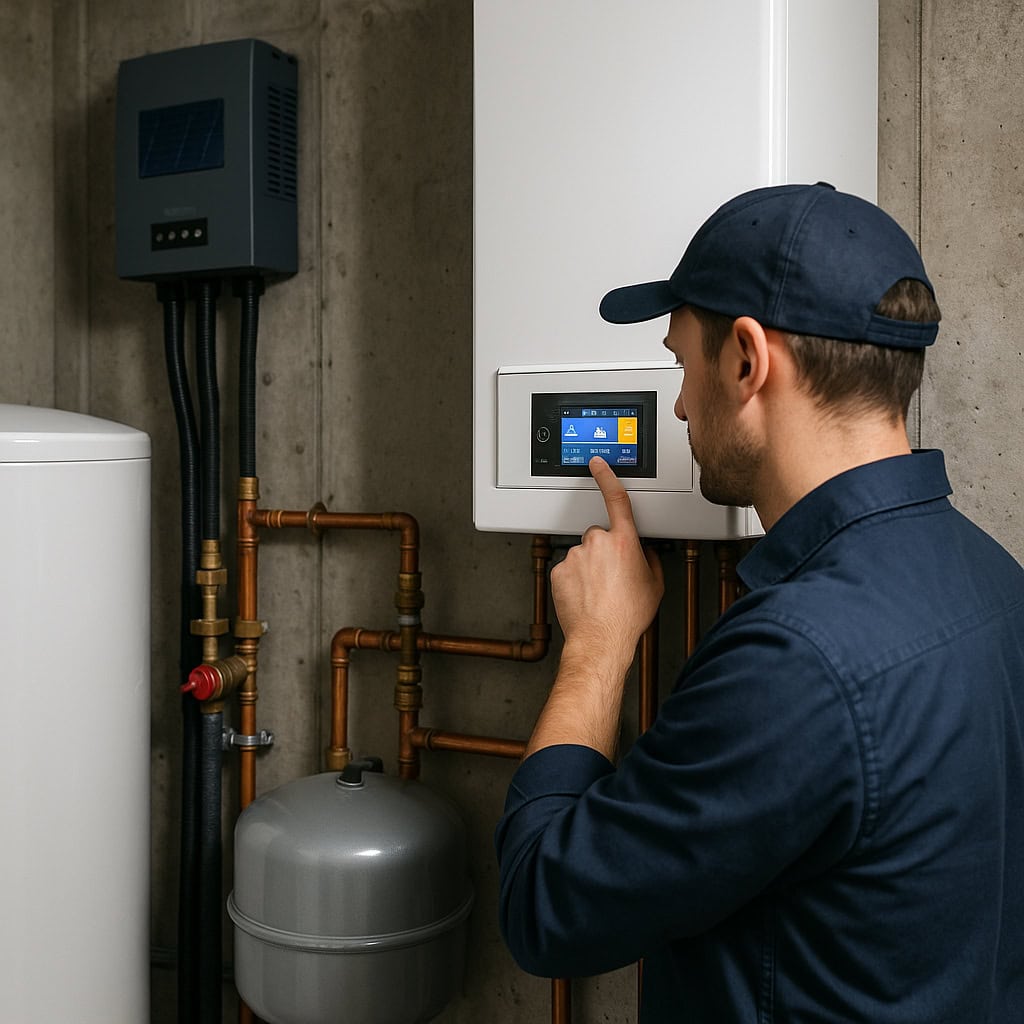
Even after series production, we remain at your side. In the event of necessary changes or discontinuations, we will support you with equivalent alternatives. Guaranteed!
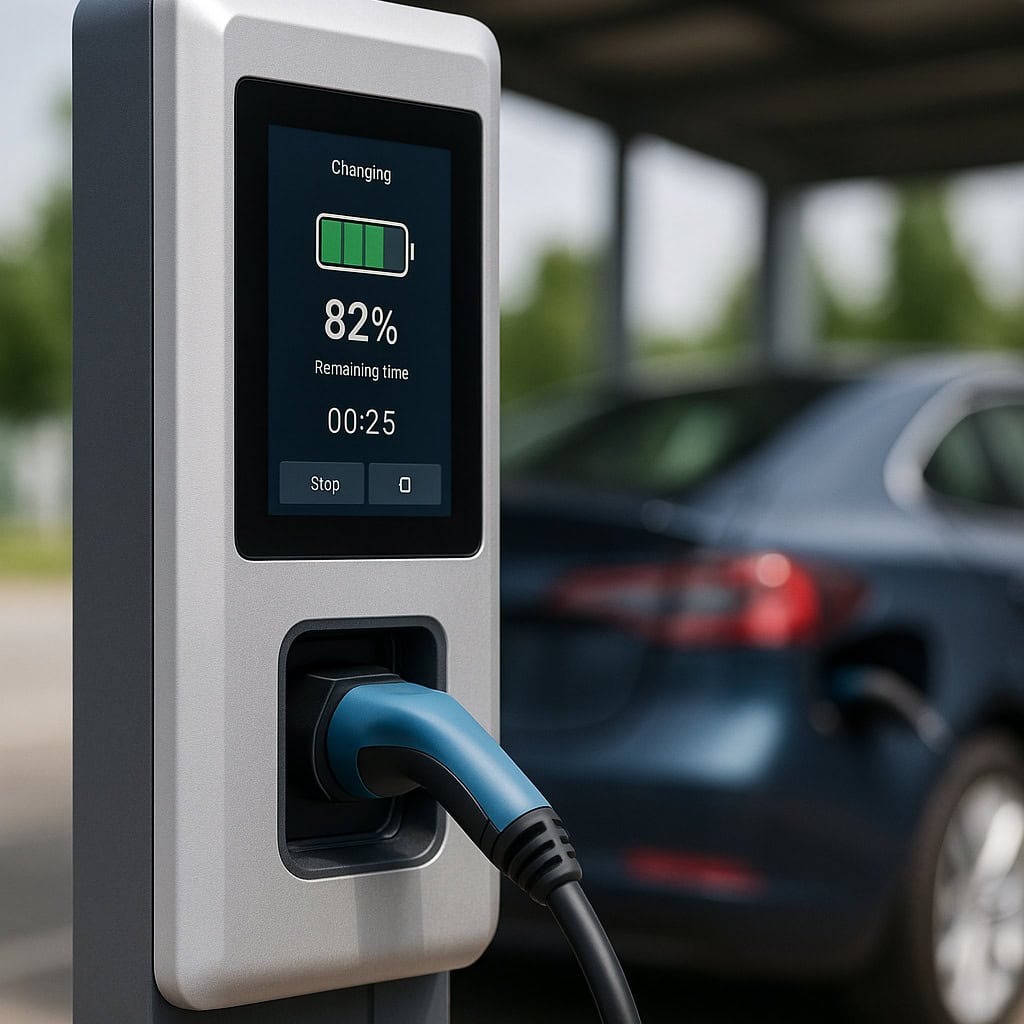
High Brightness and Protected
In outdoor applications, TFT displays must withstand extreme conditions. These include a wide temperature range, intense UV radiation, and IK and IP protection solutions against mechanical impact and moisture. High brightness and optimized reflection values are crucial for clear screen readability even in direct sunlight. This ensures that outdoor displays and control units remain consistently reliable and highly visible.
Energy-Saving and Environmentally Friendly
Low-power TFTs with reflective or transflective technology offer low power consumption, making them ideal for battery-powered applications. By reflecting incident light, they remain clearly legible even in sunlight without requiring continuous activation of the backlight. This ensures extended operating times, high energy efficiency, and reliable readability across diverse lighting conditions.

Schedule your individual consultation now.
FAQs
A TFT (Thin Film Transistor) display is a liquid crystal display where each pixel is controlled by its own thin-film transistor within an active matrix. Each pixel, in turn, consists of three subpixels (RGB). This architecture enables high image quality, fast response times, and precise color reproduction. Compared to passive LCDs, TFTs offer significant advantages, including superior resolution, higher brightness, and an extended viewing angle.
The resolution of a TFT determines the level of detail in content display. For demanding applications, such as those in medical technology or industrial sectors, high resolution is critical. Brightness, measured in cd/m², is particularly important for outdoor applications to ensure optimal readability even in bright ambient light.
Color displays can be optimally combined with touchscreens. Typically, capacitive and resistive touch panels are employed for this purpose. In comparison, capacitive touch panels offer the advantage of precise, fast control with multi-touch support. Resistive variants are more cost-effective but are mechanically more sensitive. While previously preferred for glove operation, modern capacitive touchscreens reliably detect glove input as well. The choice depends on the specific application and environmental conditions.
The backlight of a TFT display can be individually customized to optimize brightness, color temperature, and energy efficiency. Depending on the backlight design, fewer LEDs can be utilized, or existing ones can be dimmed. Color can be optimized through pre-sorted LEDs or specialized films. Furthermore, the color curve of the TFT display can be adjusted. This is particularly relevant for battery-powered devices.
Various interfaces are employed depending on display size and resolution: SPI and I²C are compact and suitable for smaller displays, LVDS is frequently used for medium to large displays, while HDMI enables high-speed transmission of high-resolution images.
One approach is to select a manufacturer that guarantees long-term availability to mitigate obsolescence. Alternatively, it is possible to qualify two different cell types and additionally stock a minimum inventory. For lifespan, the selection of LEDs for the backlight and the overall construction are particularly critical.
TFT displays can be equipped with various protection classes: IP protection ensures resistance against water and dust, while IK ratings indicate resistance to mechanical impact – crucial for outdoor and industrial environments. We can provide proposals on how desired protection classes can be implemented (e.g., with thick front glasses, PMMA sheets, special bonding techniques).
Transmissive TFTs require active backlighting and offer vibrant colors, but their readability is diminished in direct sunlight. Transflective TFTs combine backlighting with reflection, making them suitable for varying lighting conditions. Reflective TFTs utilize ambient light and feature very low power consumption, ideal for battery-powered applications. However, their color representation is not as brilliant as that of transmissive TFTs, for example.
Custom TFT displays often become economically viable from approximately 20,000 units, particularly when specific dimensions, interfaces, or a unique design are required. They offer distinct advantages but entail higher tooling costs and longer lead times – especially compared to passive LCDs.
In contrast, standard modules are more readily available and more cost-effective for smaller quantities – making them ideal for applications with short development cycles and established requirements.
For optimal readability in direct sunlight, high brightness (often > 1,000 cd/m²), achieved through a greater number of LEDs, anti-reflective coatings, and optical bonding, are crucial. In combination with transflective technologies, content can be clearly displayed even under intense solar radiation.
Panels utilizing IPS, TN, or MVA technology differ in their liquid crystal alignment and consequently in their optical performance.
- TN (Twisted Nematic): The liquid crystals twist when voltage is applied to control the light transmittance per pixel. Advantage: very fast response times. Disadvantage: limited viewing angles and color stability, as light transmittance changes significantly when viewed from an oblique angle.
- IPS (In-Plane Switching): The liquid crystals rotate within the pixel plane (parallel to the substrate). This enables consistent light modulation across various viewing angles. Advantages: high color accuracy, stable brightness, and wide viewing angles – ideal for high-quality liquid crystal displays.
- MVA (Multi-Domain Vertical Alignment): In their resting state, the crystals are perpendicular to the glass surface and tilt in multiple directions (domains) when activated. This enhances contrast and viewing angles compared to TN, while offering a simpler structure than IPS.
All these technologies utilize thin-film transistors within an active matrix for the precise control of each pixel.