
Wafer shortages and oil-price-sensitive materials are driving up prices
Brief summary
- The AI boom is shifting capacity in semiconductor manufacturing and is indirectly leading to wafer shortages, longer lead times, and rising costs in the display supply chain.
- Rising oil prices and geopolitical tensions are driving up the cost of oil-dependent materials such as plastics and polymers, which are essential for nearly all display technologies.
- The flat-panel industry is thus facing dual pressures, which can only be mitigated through early planning, early ordering, and securing critical materials.
Reading time: 5 minutes
Two structural drivers at the same time
The current market situation cannot be reduced to a single trend. In practice, the display industry is currently facing two structural challenges at the same time.
The AI boom is shifting priorities in semiconductor manufacturing. At the same time, the oil price shock is making material-intensive components more expensive and harder to plan for. For display manufacturers, device developers, and buyers, this poses a risk in project planning.
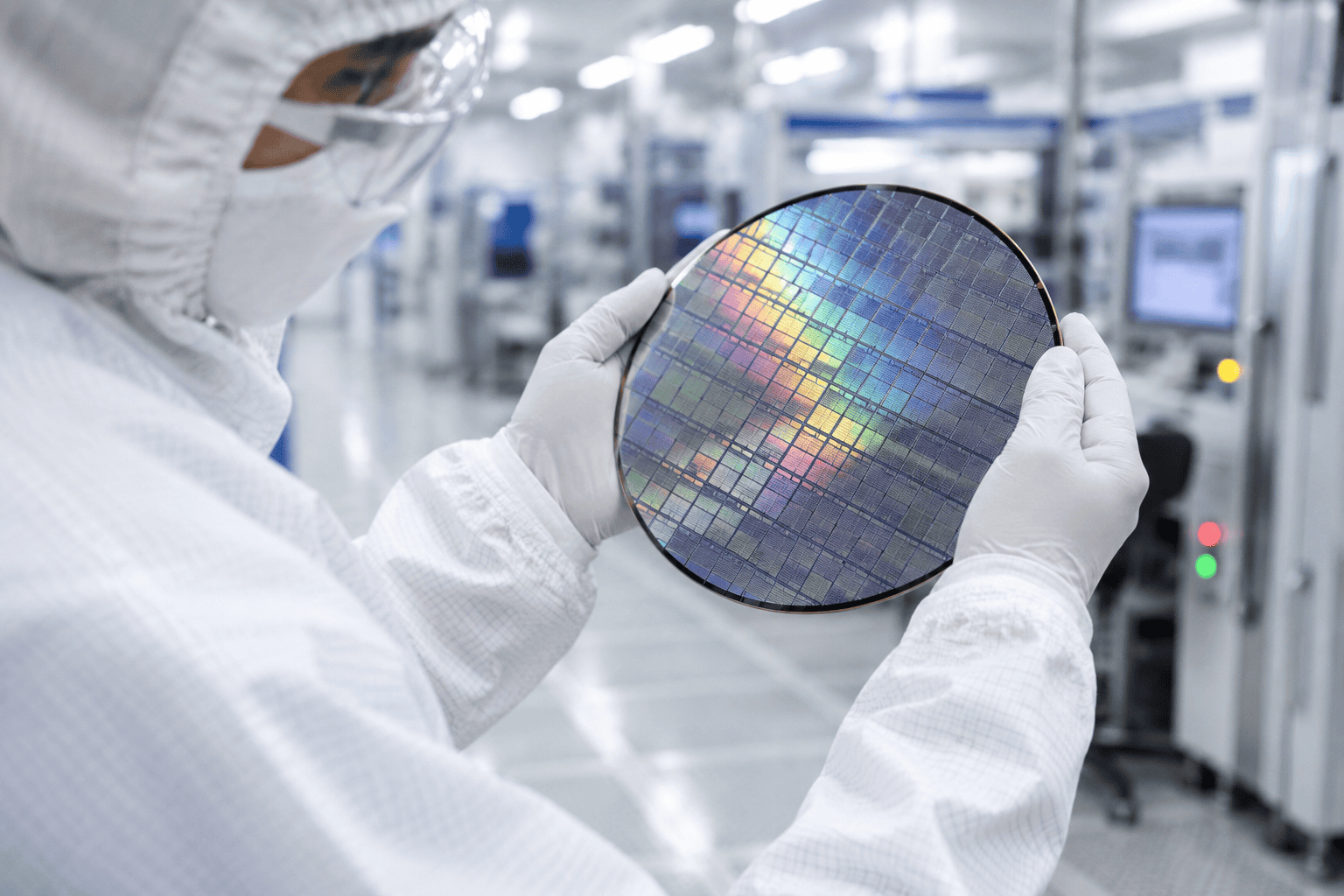
The AI Boom and Wafer Shortage in the Semiconductor Industry
The impact of AI on displays is largely indirect. Modern AI applications require high-performance, high-margin chips. To meet this demand, manufacturers are prioritizing these products and shifting manufacturing capacity at the wafer level.
This has several consequences for display ICs: available wafer allocations are becoming scarcer, lead times are lengthening, and making last-minute adjustments is becoming more difficult. The shortage is not caused by functional competition between AI and display ICs, but rather by economic prioritization in manufacturing.
Typically affected components include display drivers and touch ICs, which are used in nearly all displays.
Oil price shock and material-related pressure on the display supply chain
Alongside AI-driven pressure on the semiconductor side, the materials side of the display industry is coming under strain. Rising oil prices and geopolitical uncertainties along key transport routes are driving up the cost of oil-dependent refinery feedstocks.
These precursors form the basis for basic chemicals used to manufacture plastics, polymers, optical films, adhesives, and numerous specialized organic materials. It is precisely these materials that are essential for display manufacturing.
The result is rising material costs, limited availability, and increased price volatility. These effects are felt regardless of the production location and affect the flat-panel industry as a whole.
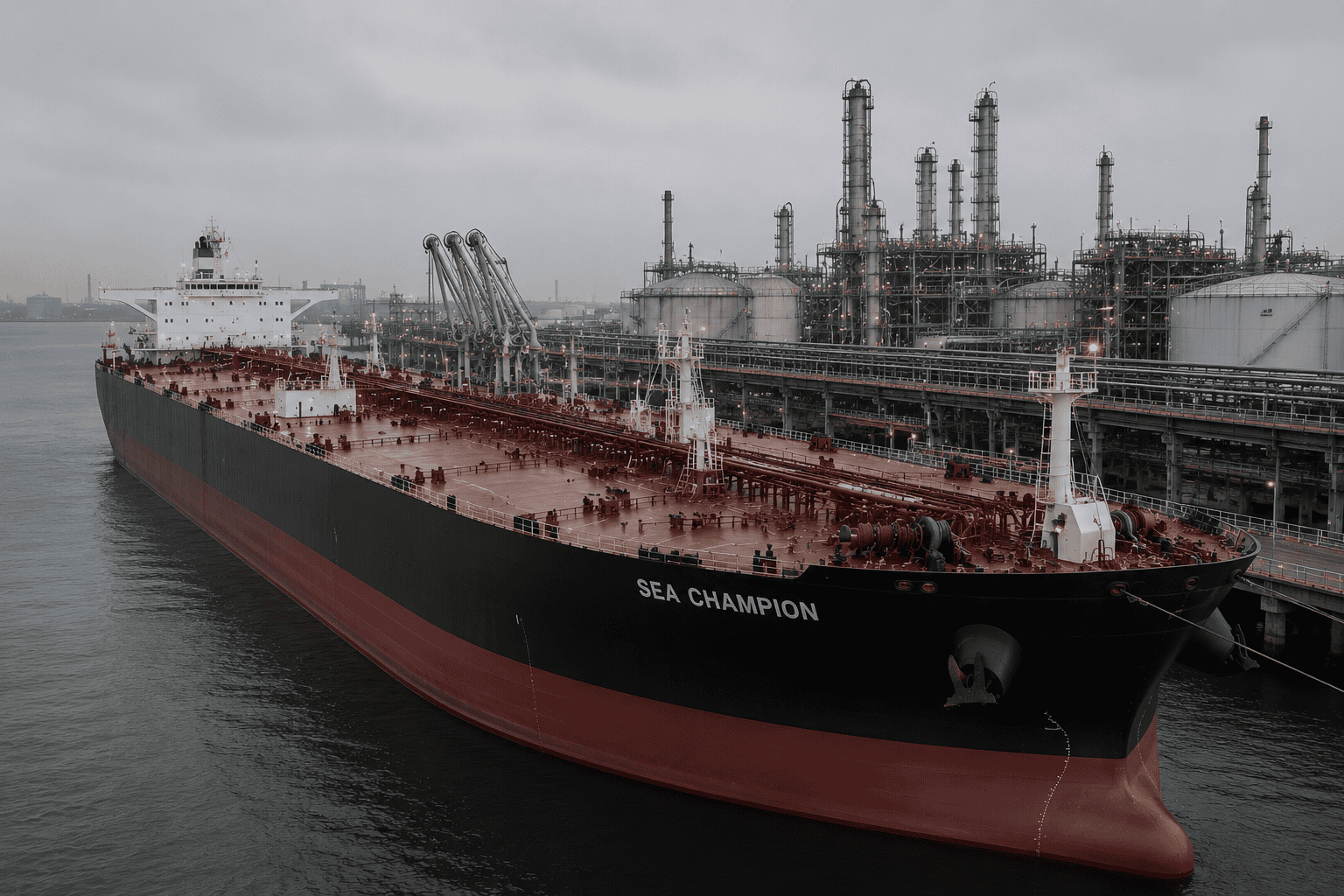
Impact on the display industry
Regardless of where panels and components are manufactured, the flat-panel industry remains structurally dependent on oil-price-sensitive materials and global raw material flows. Plastics, polymers, optical films, and adhesive systems are based on refinery feedstocks, whose prices are closely linked to the oil market.
Rising oil prices therefore have a direct impact on the cost structure of the display supply chain. These cost increases can only be offset to a limited extent and are gradually passed on along the value chain.
In practice, this results in rising display prices, longer delivery times, and greater uncertainty in project planning.
Impact on various display technologies
The effects described affect the various display technologies to varying degrees.
TFT displays
TFT displays are particularly vulnerable to shortages of display ICs and rising costs in the backlight sector. Driver ICs, touch ICs, and plastic-based backlight components are affected by both wafer shortages and materials whose prices are tied to oil prices. This leads to longer lead times and rising unit costs.
OLED displays
OLED displays do not require traditional backlights, but they are heavily dependent on specific materials. OLED panels require polyimide substrates as well as complex polymer-based layers for thin-film encapsulation. In addition, a large portion of the OLED stack consists of organic materials.
Rising oil prices have a direct impact on material costs here. At the same time, shortages of specialized ICs and precious metals are creating additional cost pressures.
E-paper displays
E-paper displays are less dependent on highly integrated ICs and polymer-intensive layer stacks. Nevertheless, they are not currently free of bottlenecks.
The market for e-paper displays is growing rapidly, driven by applications such as electronic shelf labels, industrial IoT solutions, smart badges, and low-power information displays. This market growth is compounded by limited panel capacity and a shortage of drivers, leading to longer delivery times, particularly for custom formats.
Comparison of bottleneck causes by display technology
| Display technology | Key bottleneck drivers | Typical effects |
|---|---|---|
| TFT | Wafer shortage, oil-based plastics, backlight material | longer lead times, rising costs |
| OLED | Polymers, organic materials, precious metals | Price increases, material risks |
| E-paper | Market growth, limited panel capacity, driver ICs | limited availability |
Checklist: What Companies Should Consider Now
The combination of the AI boom and the oil price shock makes forward-looking planning essential for display projects.
[ ] Plan early and factor in realistic lead times
[ ] Place orders for displays and ICs much earlier than in the past
[ ] Place risk orders for critical components and have the supplier store the materials
[ ] Evaluate second-source options for displays and ICs
[ ] Consider design-to-cost approaches as early as the concept phase
[ ] Maintain close coordination with suppliers and distributors
[ ] Increase inventory levels as a buffer
In particular, ordering critical materials early and securing a supply of them have proven to be effective measures.
Recommendation
The display supply chain is currently facing dual pressures. The AI boom is transforming semiconductor manufacturing, while rising oil prices and geopolitical risks are driving up the cost of materials for the flat-panel industry. Companies that incorporate these developments into their planning at an early stage, plan orders in advance, and actively manage risks can significantly mitigate the impact.