Impact on e-paper projects
Brief summary
- Significantly longer delivery times for Solomon Systech driver ICs are currently slowing down many e-paper projects.
- High demand, specialized manufacturing, and technological upheavals are exacerbating the situation in the market.
- Companies should respond proactively: examine alternative controllers, plan requirements early, and keep hardware flexible.
Reading time: 5 minutes
Quick technical overview
| topic | Information |
|---|---|
| Affected components | SSD16xx Series from Solomon Systech |
| alternative | JD‑ICs (e.g., JD796xx) |
| core problem | Extended lead times due to demand and limited production capacities |
| effects | Project delays, redesigns, material risks |
| Technical risk factor | Waveforms, pinouts, and driver logic are often not directly interchangeable |
Why display drivers are particularly critical for e-paper
Unlike TFT or LCD displays, an e-paper driver performs significantly more tasks than just pixel addressing.
Among other things, it controls:
- Voltage sequences for electrophoretic particles
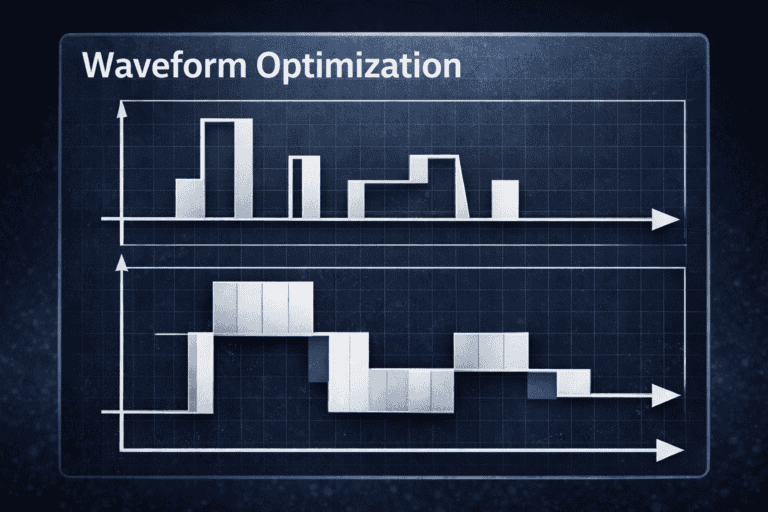
- complex waveform tables
- temperature compensation
- Ghosting reduction
- contrast optimization
- Full and partial refresh cycles
Since e-paper is based on a bistable display, the driver directly influences:
- image quality
- response time
- energy efficiency
- Panel service life
Replacing the IC is rarely trivial. It often leads to:
- Power management adjustments
- Changes in the firmware
- Validation of new temperature profiles
- new initialization procedures
Why delivery times are getting longer
Several developments are intensifying simultaneously:
1. Rising demand for energy-efficient displays
The market for digital price tags, e-paper IoT modules, and industrial displays is growing rapidly.
2. Specialized manufacturing processes
E-paper drivers are not mass-produced items like standard LCD controllers.
Accordingly, production capacities are limited.
3. Technological change in the e-paper market
New generations of panels, especially multicolor and fast e-paper displays, require new driver architectures.
This shifts capacities in production and extends the lead times of older series.
Technical risks associated with short-term driver changes
Many series products are based on:
- fixed waveform libraries
- specific pin assignments
- proprietary initialization routines
- validated temperature profiles
Changing the driver IC may affect:
- EMC behavior
- suspense design
- Timing and refresh stability
- certifications
- Software and firmware compatibility
Delays can have significant economic consequences, especially in the case of large rollouts, such as in the ESL sector.
Replacement controller: JD as a realistic alternative
We currently recommend JD drivers (e.g., JD796xx series) as an available and technically established alternative to SSD controllers.
Comparison of Solomon Systech vs. JD
| manufacturer | series | benefits | Notes |
|---|---|---|---|
| Solomon Systech | SSD16xx | widely used, well documented | currently long delivery times |
| JD (JingDong) | JD796xx | proven alternative with stable availability | Check compatibility on a project-by-project basis |
Impact on e-paper projects
Typically affected areas:
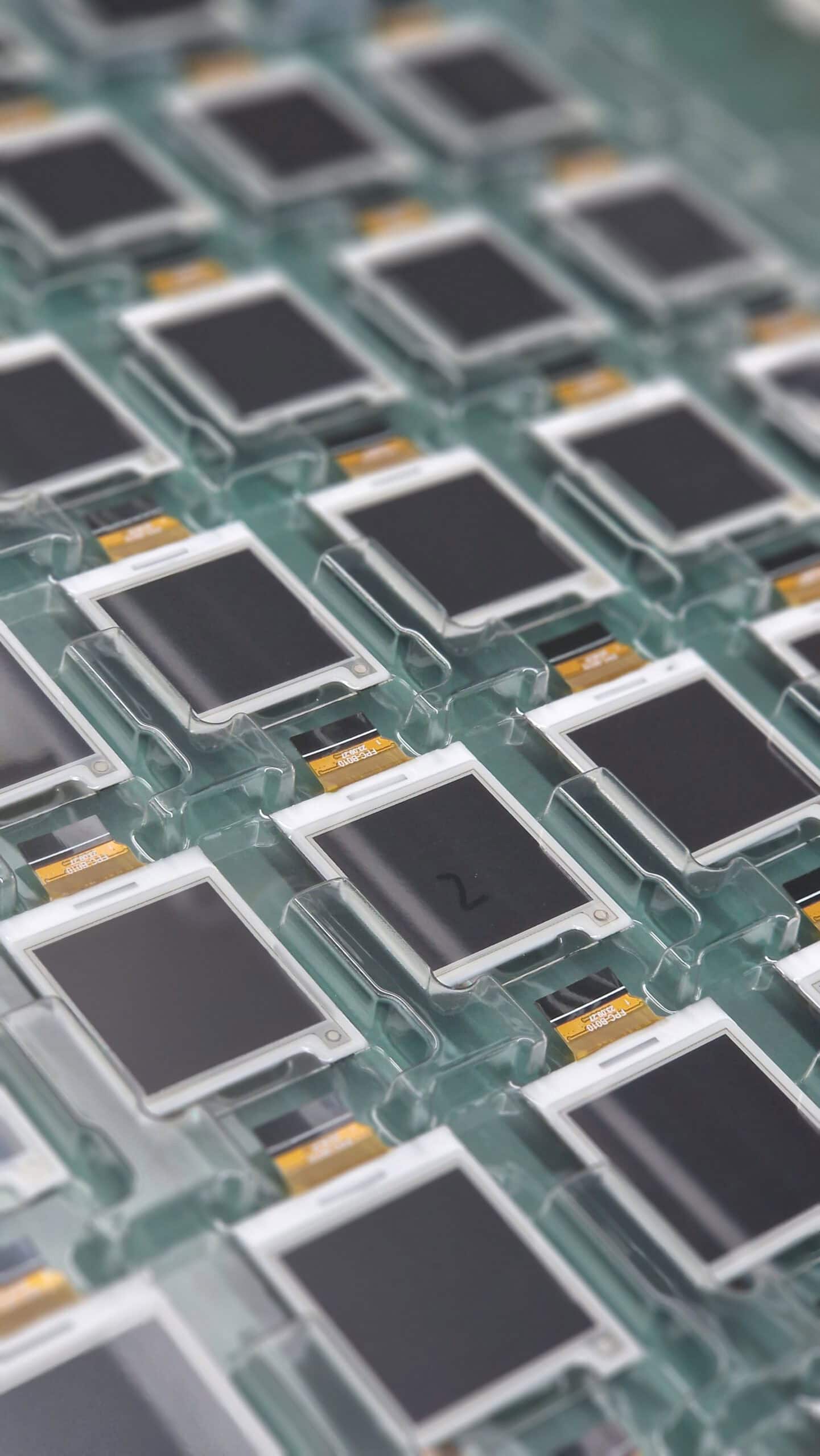
- Digital price tags
- IoT sensors and tracking
- industrial displays
- Low-power smart devices
- Sustainable e-paper signage
Companies must expect increased planning efforts, material risks, and delays in series production ramp-up.
Checklist: Measures for companies
- Evaluate JD controllers as an alternative
- Identify driver ICs used in your own design
- Clarify requirements early on and plan for buffer stocks
- Keep hardware design flexible and modular