Modern displays offer impressive image quality, which depends not only on resolution or color depth but also critically on the type of backlight. A technology that particularly stands out in this context is Local Backlight Dimming, which translates to "local dimming of the backlight." This technique is primarily used in high-quality TFT displays to optimize contrast, black levels, and energy efficiency – especially in HDR-capable devices or professional environments such as medical technology, automotive applications, or industrial HMIs.
Advantages and Disadvantages of Local Backlight Dimming
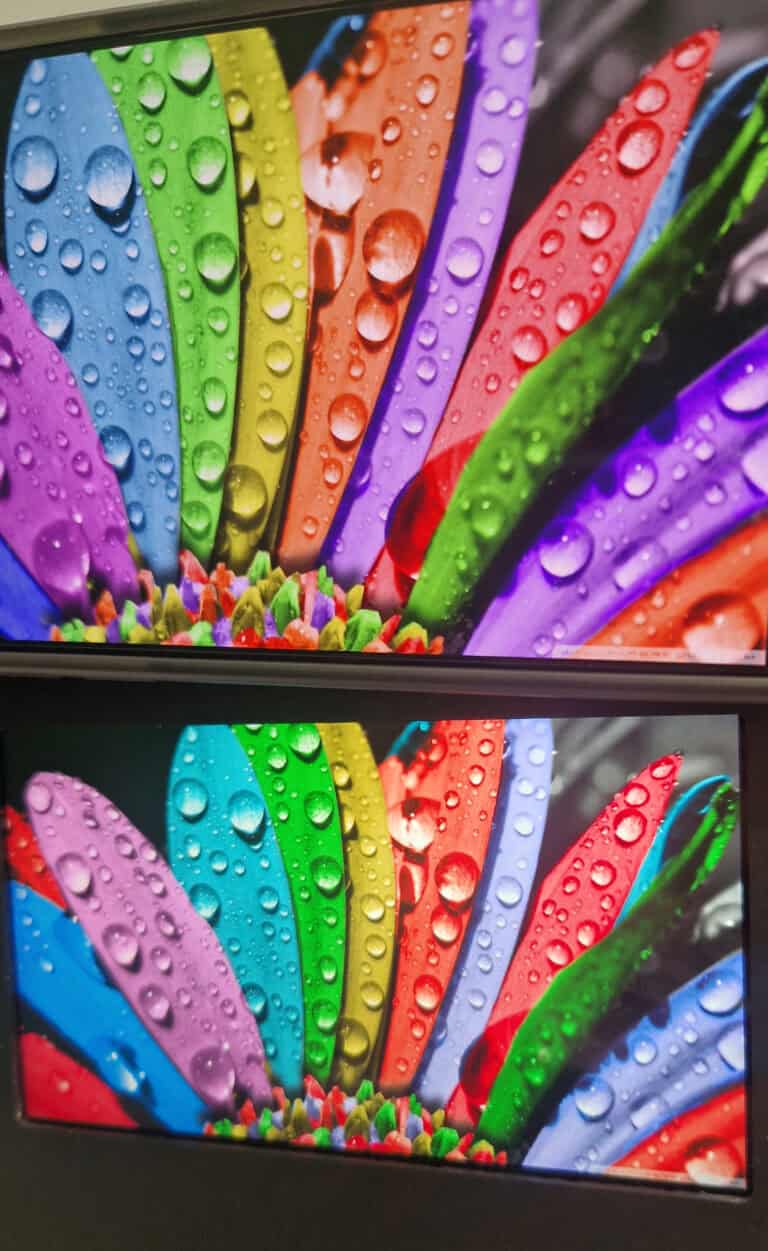
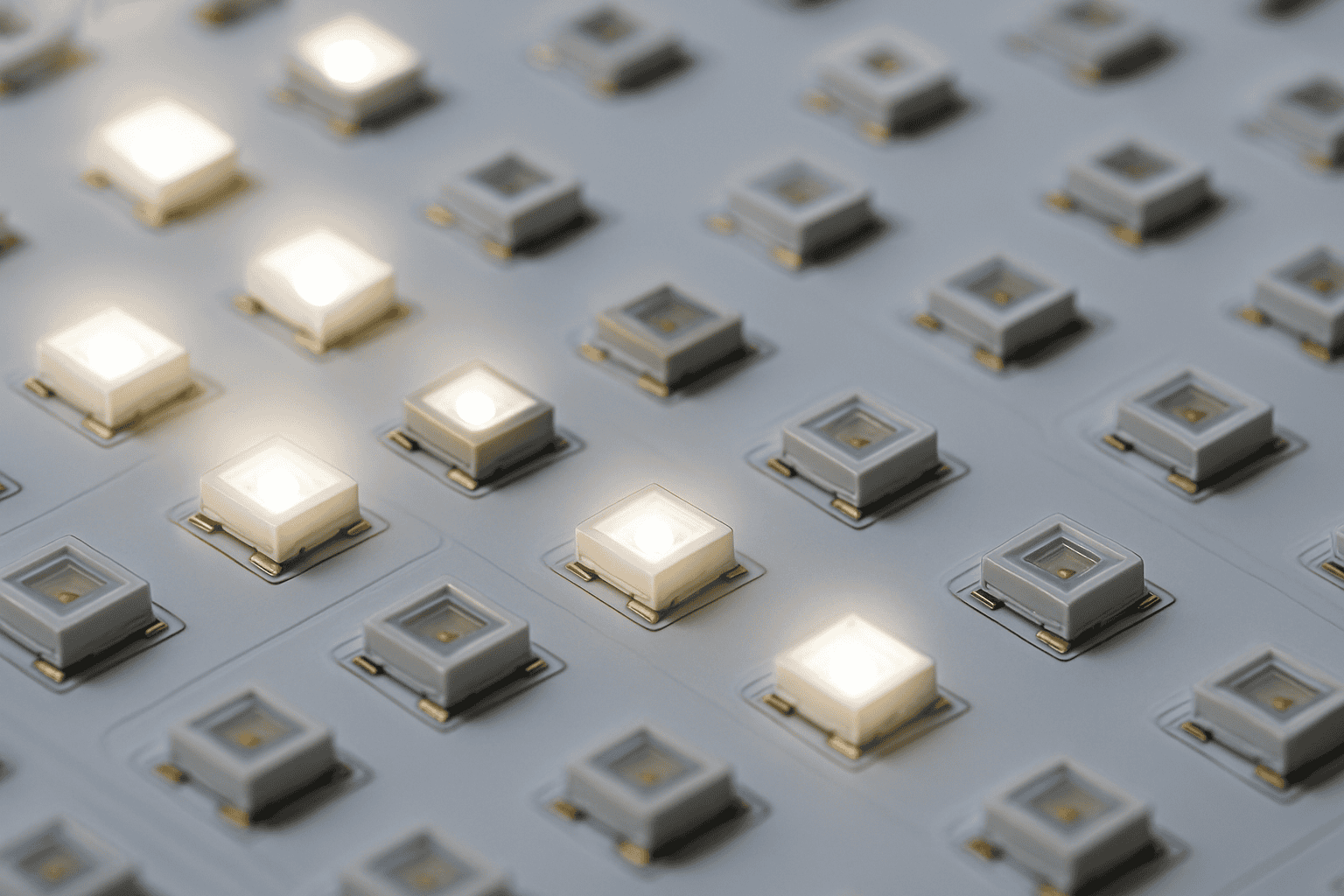
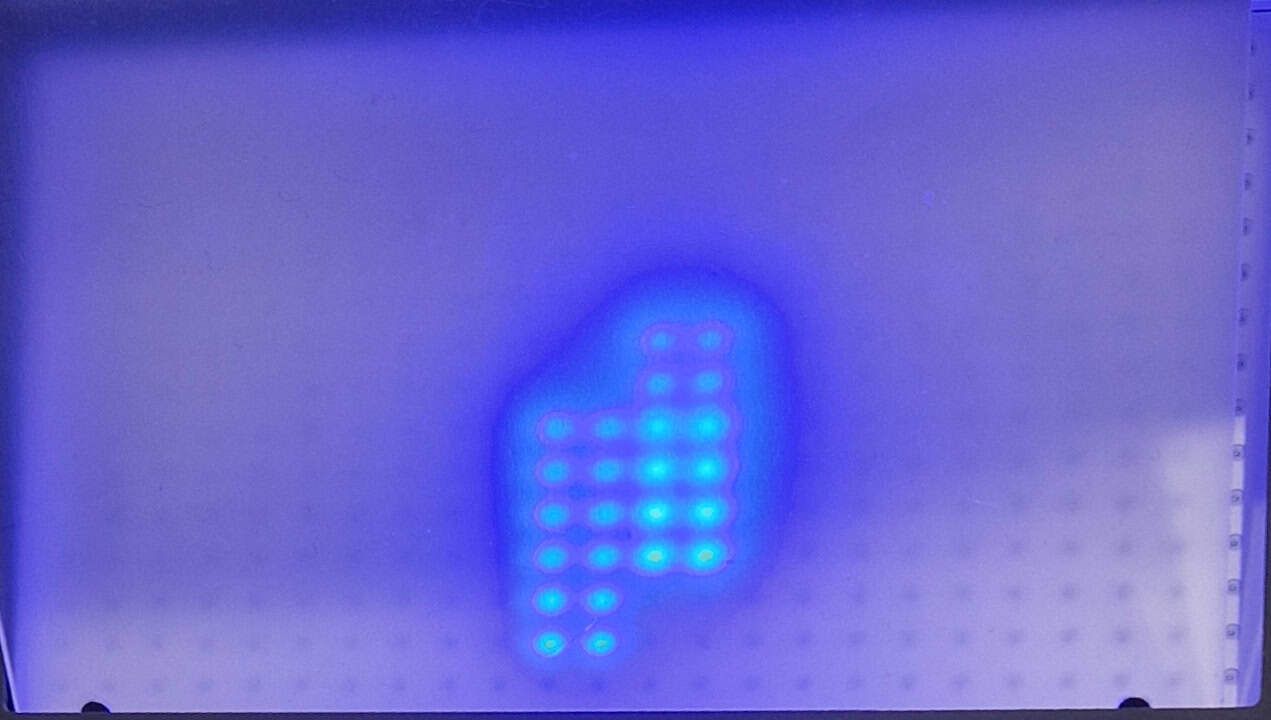
Unlike conventional edge- or global-dimming backlights, where the entire display area is illuminated with uniform brightness, Local Dimming divides the backlight into numerous zones. These dimming zones can be individually regulated in their luminosity. Dark image content is thus selectively less backlit, while bright areas are emphasized. The result is a significantly improved contrast ratio – deep blacks and bright whites appear particularly clear and differentiated side-by-side in the same image.
A common criticism concerns what is known as Blooming: when a bright zone is strongly illuminated, an undesirable "glow" may occur in adjacent dark areas if there are few dimming zones. The finer the segmentation of Local Dimming, the less pronounced this effect – another reason why manufacturers are increasingly adopting Mini-LED technology.
Implementation
The number of dimming zones varies significantly depending on panel size and quality. High-quality displays feature hundreds, sometimes even thousands, of such zones. In industrial applications, the focus is often on uniform readability, energy efficiency, and targeted adaptation to ambient light – particularly in automotive or outdoor applications. Here, Local Dimming can offer advantages, as it not only enhances contrast but also reduces power consumption: dark content requires less illumination, thereby saving energy.
In practice, Local Dimming requires close coordination between the image content, the backlight control, and the display controller. Panels with Local Dimming necessitate special algorithms for zone control and synchronization with content display to ensure accurate brightness perception. This becomes particularly complex with touch integration or optically bonded units, where light distribution and reflection must also be considered.
In summary, Local Backlight Dimming is a powerful approach to significantly enhance the image quality of TFT-LCDs – both visually and functionally. Whether for professional image processing, medical diagnostic monitors, automotive displays, or high-end consumer devices, this technology enables brilliant representations with simultaneously optimized energy efficiency. Key factors for its success include the number of zones, synchronization with the control system, and the intended application of the display.