
Invisible Hazard or Indispensable Key Component?
In Brief
- Per- and Polyfluoroalkyl Substances: PFAS are essential process chemicals in the manufacturing of TFT displays – particularly in lithography, cleaning, and protective layers.
- REACH: Regulatory interventions, such as the proposed EU PFAS ban, could result in obsolescence, supply chain disruptions, and substantial conversion costs.
- Supply Chains: Proactive analysis and strategic planning are paramount to mitigating technological and economic risks.
⏱ Estimated Reading Time: 4 Minutes
The discourse surrounding PFAS – per- and polyfluorinated alkyl substances – has intensified significantly in recent years. What was once considered niche knowledge for chemists has now emerged as a critical issue for the entire industry. These substances are drawing increasing scrutiny from policymakers and the public due to their environmental and health impacts. PFAS also play a role in the fabrication of TFT displays.
Where and Why Are PFAS Utilized in TFT Displays?
PFAS constitute a vast class of over 10,000 distinct compounds. Their unifying characteristics include exceptional chemical and thermal stability, alongside water, oil, and dirt-repellent properties. Consequently, they are employed in numerous process steps within TFT manufacturing.
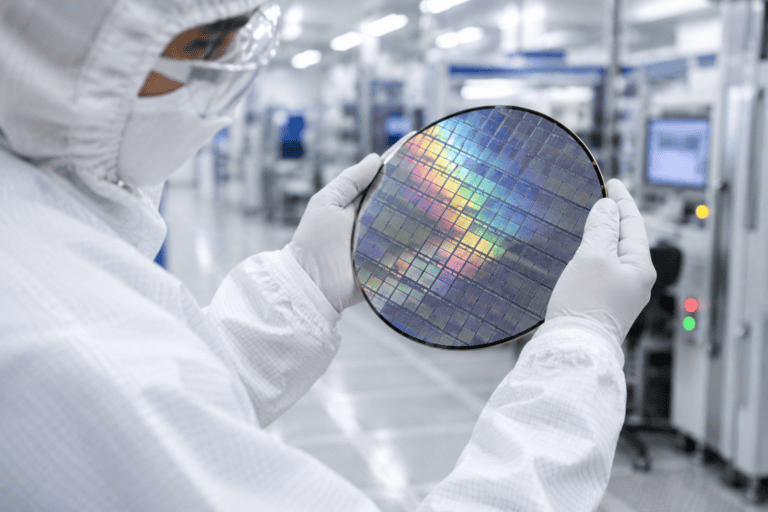
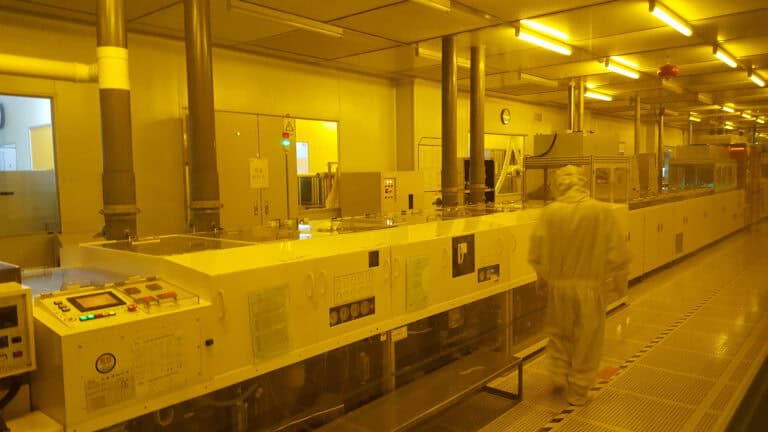
For instance, in photolithography, a fundamental process in thin-film transistor fabrication, fluorinated surfactants within photoresists and developers ensure uniform surface wetting. This is indispensable for achieving the high precision demanded by contemporary displays. PFAS are also utilized in cleaning and etching processes, in moisture barrier layers, and even within liquid crystal formulations themselves.
Many of these application areas are so technologically specialized that immediate substitutions are not readily feasible. The unique challenge lies in the fact that PFAS often function not as primary constituents, but in trace amounts, yet with critical efficacy.
Regulatory Pressure: The Impending PFAS Ban
The display industry is particularly alarmed by the escalating regulatory constraints. Notably, the EU, through its REACH chemical regulation, is proposing a comprehensive ban on nearly all PFAS, with only limited, time-bound exceptions. The rationale is that PFAS are exceptionally persistent, meaning they are long-lasting, and can bioaccumulate in the environment and human organisms.
For display manufacturers, module suppliers, and OEMs, this implies that a substantial number of established materials and process chemicals may become non-compliant in the near future. Any product currently under development that relies on PFAS-containing components faces the risk of obsolescence or supply chain disruptions in the foreseeable future.
What Are the Specific Implications for TFT Users and Developers?
The ramifications extend profoundly throughout the supply chain. Manufacturers are compelled to scrutinize the chemicals they employ, ascertain whether their suppliers utilize PFAS, and evaluate the availability of alternatives. For developers integrating TFT displays into devices – whether in medical technology, industrial applications, or other durable goods – the critical question emerges: How future-proof is the selected display solution?
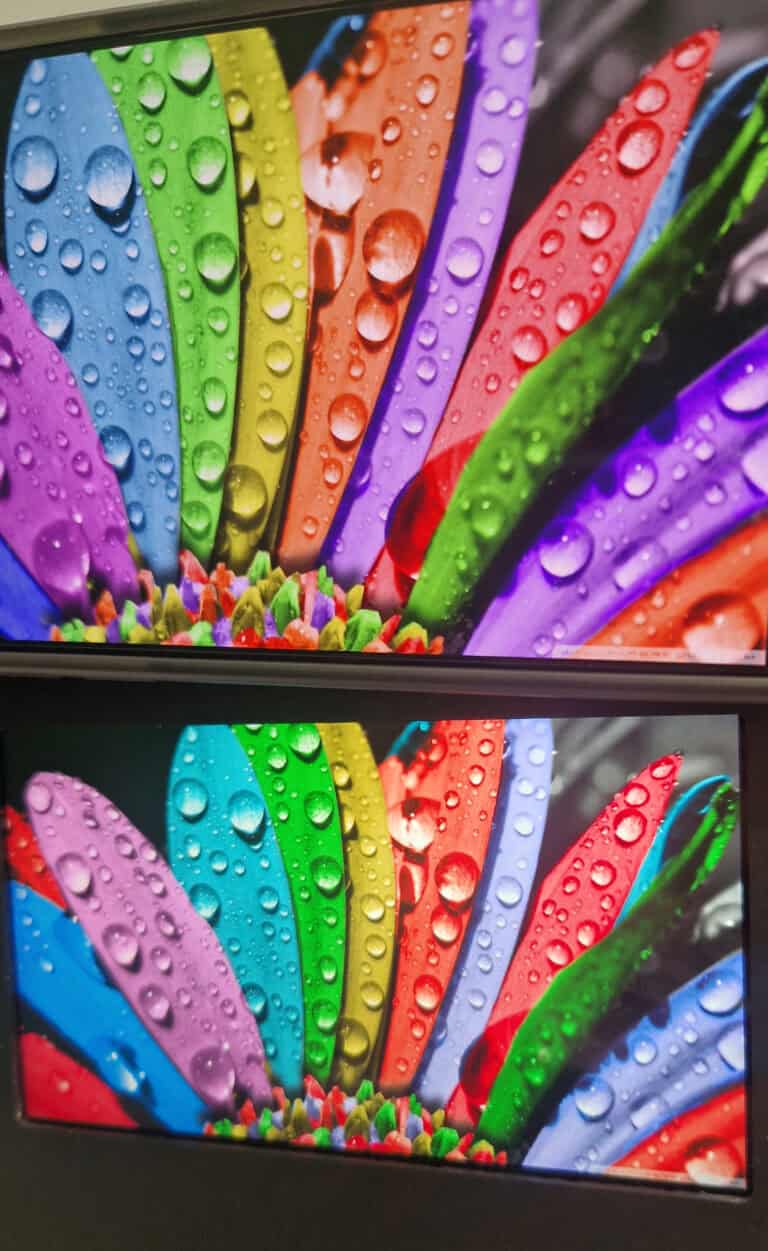
In-Plane Switching (IPS) TFTs are particularly impacted. Achieving their superior image quality and stable viewing angles typically necessitates more intricate manufacturing processes involving an elevated use of fluorinated chemicals, for instance, in the structuring of transistor layers or in the alignment layers. This renders these specific displays especially vulnerable to restrictions imposed by PFAS regulations.
A significant risk emerges for long-term projects with stringent certification requirements, such as those in the automotive or industrial sectors. In these contexts, a regulatory-driven technological shift can have severe repercussions for product liability, certifications, and maintainability.
Are Alternatives Available?
The positive development is that PFAS-free materials or ongoing developments towards them already exist in certain segments. Several suppliers are actively developing new photoresist formulations devoid of fluorinated additives. Furthermore, notable advancements are being made in barrier layers and cleaning chemicals. Nevertheless, achieving complete substitution in display production remains a technically challenging and ongoing endeavor.
Consequently, some OEMs are evaluating alternative display technologies such as E-Paper, AMOLED, or passive LCDs, which necessitate less critical process chemistry. However, these technologies introduce their own set of challenges, particularly concerning lifespan, energy efficiency, or temperature stability.
Technological Foresight is Now Imperative
The PFAS discussion highlights that selecting a display is now more than ever a strategic decision. Those who focus solely on price or short-term availability risk facing technical and regulatory challenges within a few years. Manufacturers and developers should actively scrutinize their supply chains, maintain dialogue with display suppliers, and inform themselves about PFAS substitution roadmaps.
In the long term, the industry will need to transition towards more sustainable, environmentally friendly technologies that do not rely on high-risk chemicals. Those who proactively shape this transformation will secure not only regulatory compliance but also a competitive advantage in the market.
Learn more: https://www.elektronikpraxis.de/eu-will-pfas-bei-ips-und-ffs-displays-verbieten-a-1097361/