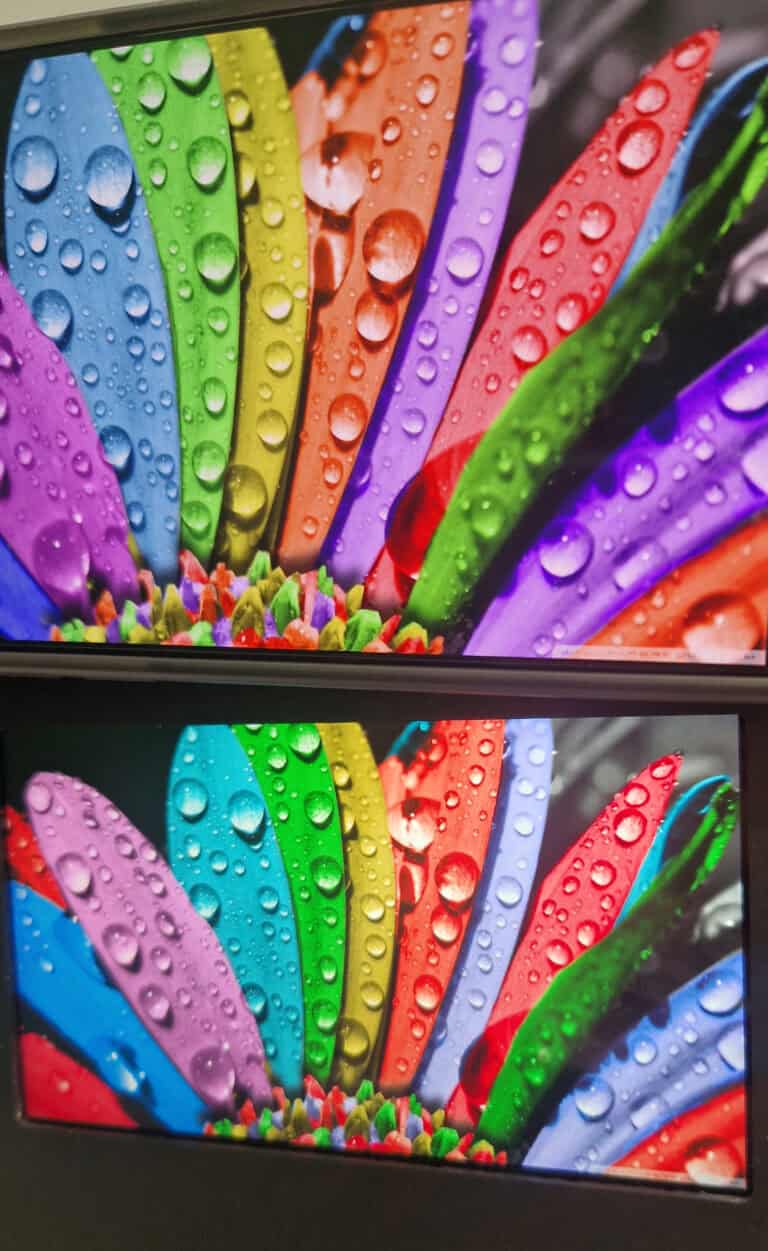
In high-ambient-light applications, such as outdoor devices, industrial displays, or battery-powered HMIs, conventional display technology frequently encounters limitations. Standard backlit TFTs consume substantial power and exhibit poor readability under direct sunlight. BOE presents a promising solution with a specialized display variant: reflective black-and-white TFTs. These were initially conceived as transmissive modules but, through targeted modification, unlock new application fields.
What is unique about these displays?
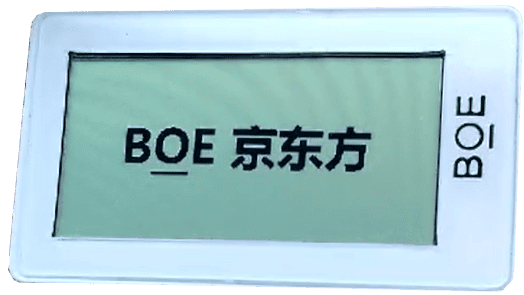
The reflective black-and-white TFTs developed by BOE are based on transmissive TFT-LCDs, with their original structure modified by incorporating a specialized rear polarizer. This polarizer is not transmissive; instead, it reflects incident ambient light back through the liquid crystal layer to the viewer. The distinctiveness lies in the polarizer's structural design.
This design results in a passively readable TFT display that operates entirely without a backlight, yet delivers the customary resolution and precision of an active matrix TFT, albeit in a monochrome (black/white) representation. For full-color TFT displays, this polarizer cannot be utilized due to the presence of color filters.
Advantages of this technology
| Advantage | Description |
|---|---|
| Extremely low power consumption | No backlight required – ideal for battery-powered devices |
| Optimal daylight readability | Increased light enhances visibility |
| Simple system integration | Established TFT technology with standard driving protocols |
| Low heat generation | Especially pertinent in enclosed, fanless systems, as the absence of backlighting eliminates heat generation. |
| High-contrast monochrome representation | Ideal for simple, clear UI elements and text. |
Typical Applications
- Outdoor Terminals and Information Displays
- Portable Measurement and Test Devices
- Smart Metering Displays
- Wearables or Panel Devices with Solar or Battery Operation
A significant advantage of these reflective TFTs over classic passive LCDs (STN, FSTN, etc.) lies in their considerably higher resolution and image quality. While passive LCDs typically only allow for coarsely resolved character or segment displays, active matrix TFTs offer finely resolved pixel grids – ideal for scalable graphics, detailed icons, and flexible user interfaces. Thus, they combine the high display precision of modern TFTs with the energy-saving benefits of reflective displays, making them particularly attractive for high-quality, yet power-efficient display solutions.