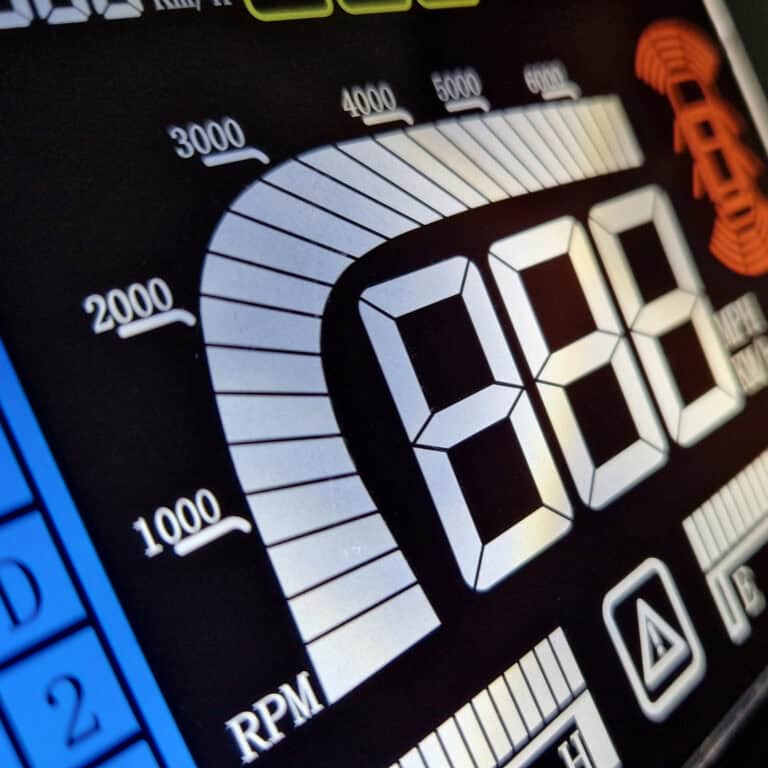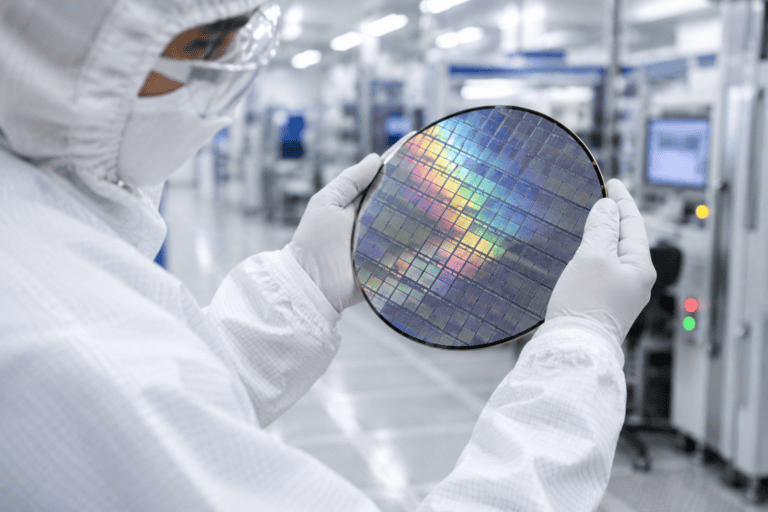
In industrial automation, the automotive sector, or high-end equipment manufacturing, haptic control elements remain in demand – especially where tactile feedback, precision, and durable mechanics are crucial. However, traditional rotary controls reach their limits when more complex information needs to be displayed or operating levels changed intuitively. This is precisely where an innovative solution comes into play: the rotary switch with an integrated AMOLED display.
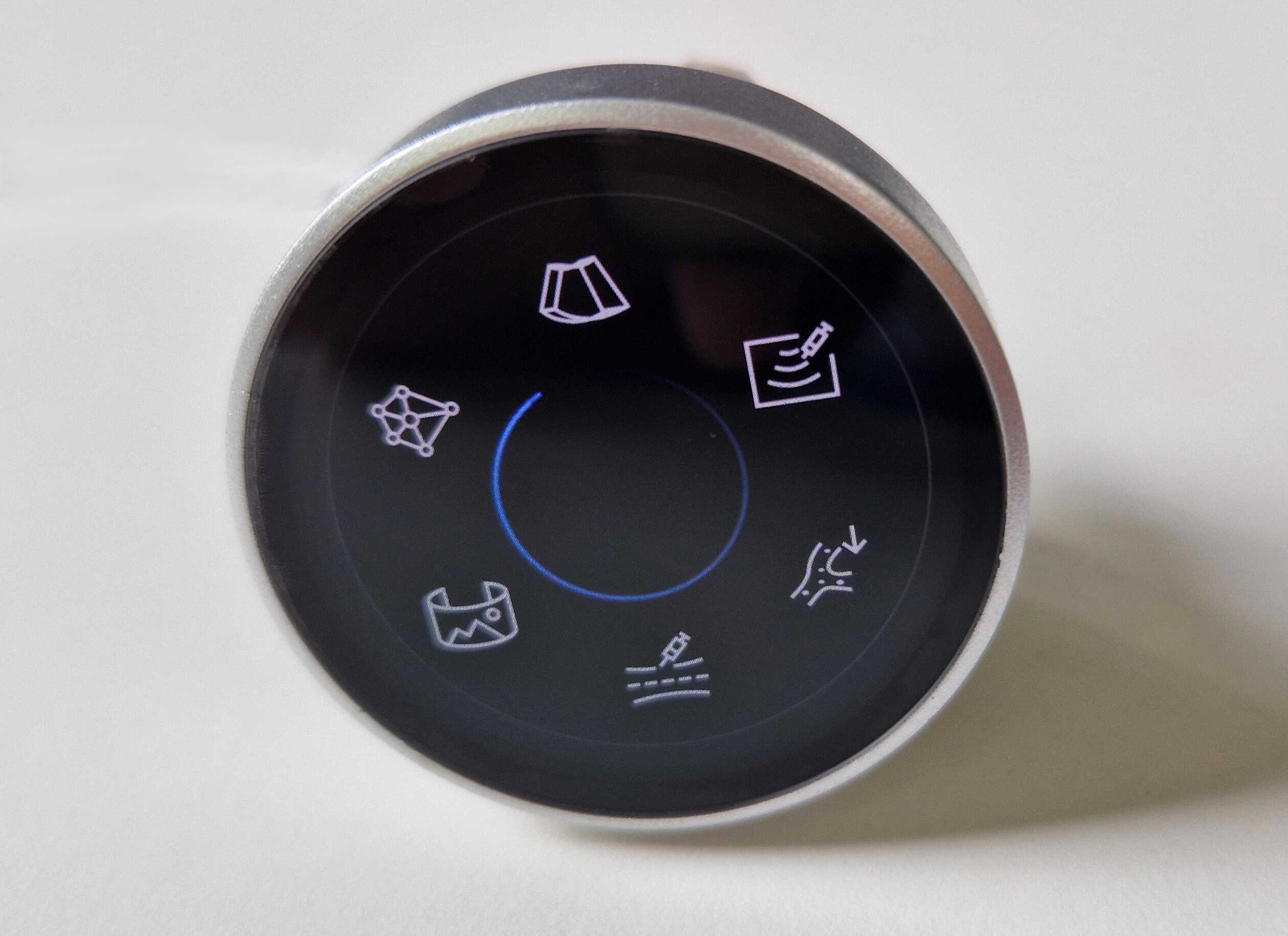
The rotary encoder can be combined with a high-resolution round AMOLED panel or, alternatively, a TFT display. Operation remains mechanically intuitive, while the user receives visual feedback, dynamic content, or changing displays directly on the control element.
Typical configuration:
- AMOLED display (e.g., 1.39″ AMOLED (454*454))
- Rotary encoder with optional push function (push button)
- Microcontroller or display driver for control via SPI or I²C
- Enclosure with IP rating, depending on the application
- Capacitive touchscreen on the AMOLED
Advantages of this technology
1. Multifunctionality in a compact space
A single control can perform multiple functions – depending on the context, the display switches, for example, between temperature, speed, or operating mode. This reduces the number of buttons and saves space.
2. High display sharpness and color brilliance
Thanks to AMOLED technology, contrast, viewing angle stability, and color saturation are excellent – even in low-light conditions or dark environments.
3. Customizable user interface
Icons, colors, and labels can be dynamically adapted to processes, user roles, or machine states.
4. Robust mechanics meet modern visualization
Ideal for environments where touch panels are too sensitive or impractical, yet flexible visualization is desired.
Typical applications
- Industrial plants: Rapid switching between operating modes with clear visualization
- Vehicle interiors: Menu navigation for infotainment, climate control, or driving modes
- Medical technology: Safe, sterile operation with clear status indication
- Consumer devices: Premium UI experiences for high-end products
What is an AMOLED display?
Unlike traditional LCDs, which require a separate backlight, each pixel in AMOLED displays generates its own light. This is made possible by an organic emissive layer that directly emits light when current flows through it.
The result: Displays with true black, vibrant colors, and extremely high contrast ratios.
While AMOLED displays have primarily been prevalent in smartphones and consumer electronics, they are increasingly finding their place in industrial environments. The reasons are clear: extremely high image quality, flexible form factors, and compact designs make AMOLEDs an attractive option for modern HMI solutions, precision devices, and high-quality control units.
However, many available AMOLED modules originate from the consumer market, which entails limited long-term availability, rapid model changes, and often restricted documentation. For industrial projects with multi-year product lifecycles, precise selection, availability planning, and potentially early obsolescence management are crucial. Alternatively, we recommend TFT displays, which are now available in standard sizes with very long-term availability.