
What is an E-paper Display?
An E-paper is a reflective display technology based on the electrophoretic principle. In this process, microscopic, electrically charged pigment particles in a carrier medium – also known as electronic ink – are moved by applied electric fields. The display is bistable, meaning that the image content remains visible after being formed without further energy supply. Power is only consumed during the switching process.
Unlike conventional LCDs, E-paper displays do not require backlighting; instead, they exclusively utilize ambient light. This results in an eye-friendly, paper-like display with very low power consumption, which remains perfectly legible even in direct sunlight. E-paper is employed wherever a power-efficient, persistently readable display is required – for instance, in e-readers, electronic price tags, industrial status indicators, or mobile IoT devices.
In most applications today, electronic paper is based on E Ink technology, which is considered the industry standard and is utilized by various display manufacturers worldwide in the form of standard or OEM modules.
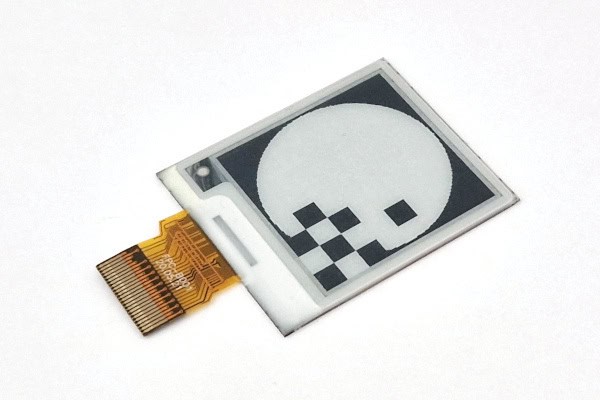
E Ink Technology Explained Briefly
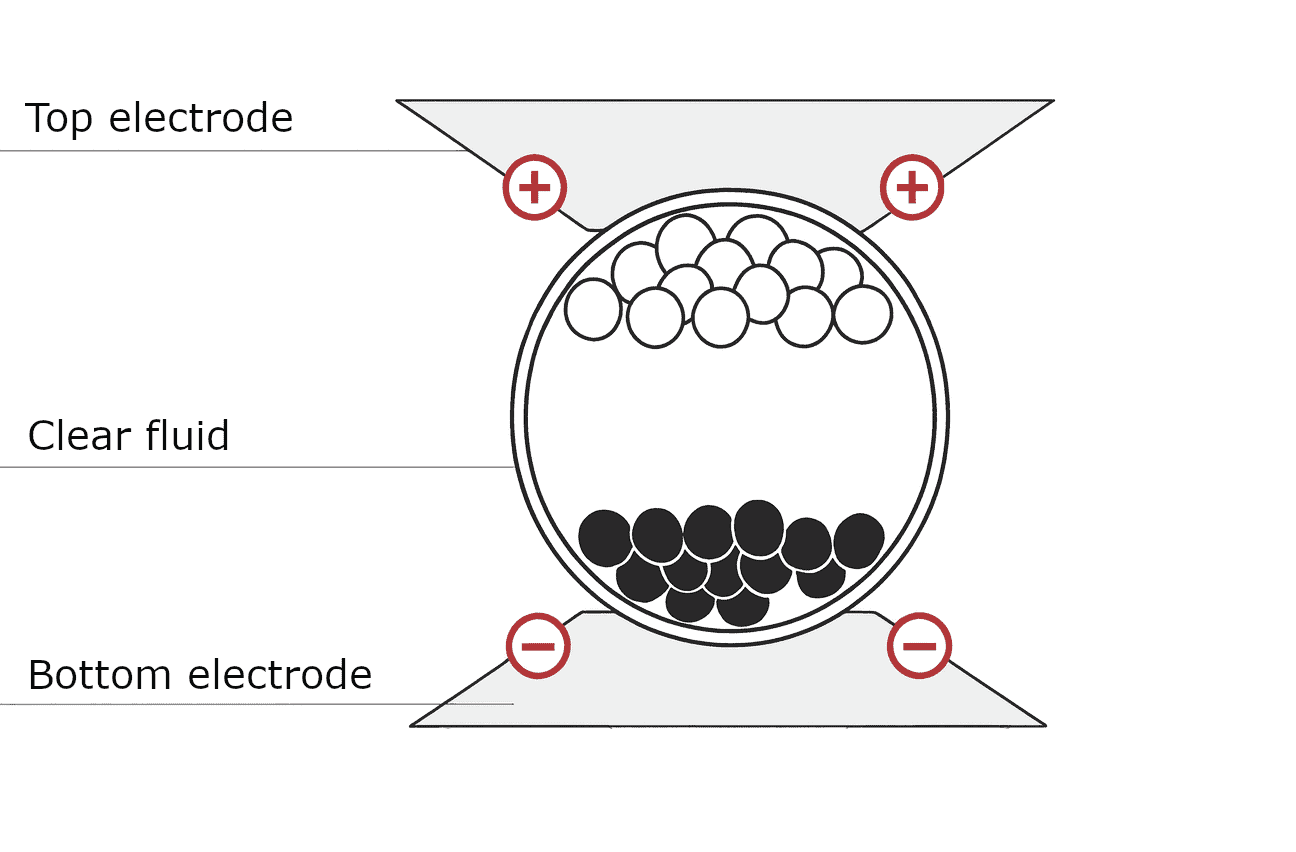
The technological basis of an e-paper display consists of two main components: the electrophoretic front plane and the TFT-based back plane. The front plane contains millions of microcapsules or microcups, which contain a suspension of oil-based, electrically insulating fluid and charged pigment particles. These particles—mostly black and white—react to applied electric fields by migrating up or down within the capsule. Depending on which pigments are at the top, the respective image pixel appears light or dark. This electrophoretic system is bistable and does not require a constant energy supply to maintain the image.
Control is achieved via a Thin-Film Transistor (TFT) backplane, which assigns a dedicated control signal to each pixel. This active matrix enables high resolutions, selective image updates (Partial Refresh), precise grayscale control, and low power consumption. Materials such as amorphous silicon (a-Si) or oxide semiconductors (e.g., IGZO) are utilized for this purpose, particularly in flexible or large-area displays.
Beyond the market leader E Ink, other providers and technologies exist in the field of electronic paper displays. These alternatives to E Ink displays sometimes leverage similar physical principles or pursue their own approaches for power-efficient, reflective display formats – for instance, for specialized applications or niche markets.
O-paper
O-paper is an electrophoretic display technology from the Chinese manufacturer OED Technologies. Similar to classic e-paper systems, it is based on microscopic capsules containing electrically charged black and white pigment particles suspended in a carrier fluid. Electric fields control these particles to create a high-contrast, bistable image that persists even without continuous power supply. O-paper™ is therefore a power-efficient, reflective display with a paper-like appearance, suitable for applications such as electronic labels, mobile displays, information displays, or e-readers.
In addition to standard modules, OED offers large-format, flexible, and color-capable variants, positioning itself as an alternative e-paper provider outside the E Ink portfolio. However, when utilizing O-paper displays, potential patent restrictions must be considered, as E Ink, as the leading patent holder, protects essential components of electrophoretic technology. Therefore, for commercial series projects, it is recommended to thoroughly assess the intellectual property situation.
Cholesteric LCDs
Cholesteric LCDs (ChLCDs) are an alternative, reflective display technology based on the unique arrangement of cholesteric liquid crystals. Unlike e-paper, ChLCDs do not use pigment particles; instead, they control light reflection through the helical structure of the liquid crystals. Depending on their orientation, pixels appear reflective (bright) or absorptive (dark). The technology is bistable, meaning it only requires energy during switching, and can therefore be operated with very low power consumption, similar to e-paper.
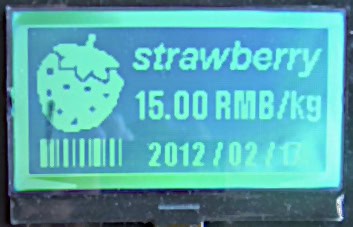
An advantage of ChLCDs is their ability to display color without color filters, as the reflected color is directly determined by the crystal structure. Furthermore, this technology enables very thin and robust displays, even on flexible substrates. However, contrast and response time are generally lower than with E-Ink, and readability can be limited under certain lighting conditions (e.g., diffuse light). ChLCDs are primarily used in cost-effective information displays, electronic labels, and battery-less displays for smart cards or packaging.
Electrowetting Displays (EWD)
Electrowetting Displays (EWDs) are an active, reflective display technology that significantly differs from electrophoretic or crystalline systems. In EWDs, the position of a colored liquid – typically a pigmented oil – is altered by applying voltage to a hydrophobic surface. In its resting state, the oil covers the visible pixel area, thus determining the color. When voltage is applied, the liquid retracts to the side, exposing the reflective background surface – the pixel appears bright. This mechanism enables fast switching times and high color saturation, as the color is generated directly via pigmented oil, rather than through filters or additive color mixing.
Electrowetting displays are reflective, offer vibrant colors, and are switchable like LCDs, but with significantly lower power consumption because no backlight is required. Unlike e-paper, they are not bistable – they require continuous power for image retention, yet still consume considerably less energy than transmissive LCDs or OLEDs.

This technology is particularly appealing for large-format applications. Development is well advanced, but market penetration remains limited due to more complex manufacturing and material requirements compared to classic e-paper systems.
Memory-in-Pixel (MiP) Displays

Memory-in-Pixel (MiP) Displays are a power-efficient display technology particularly suited for portable devices and low-power applications. Each pixel incorporates its own memory cell, allowing static content to remain visible without continuous image refresh – similar to a bistable display. MiP technology is typically based on transflective LCDs, combining excellent readability in ambient light with the capability to display color content and rapid image changes. Unlike an E-Ink display, MiP is not fully reflective, but it offers faster response times and a higher refresh rate. These characteristics make MiP especially attractive for wearables, industrial controls, watch displays, and other low-power displays where energy efficiency and visual flexibility are equally critical.
Micro-Fluidink
Micro-Fluidink is a newly introduced display technology from the Chinese manufacturer Tianma, positioning itself as an alternative to classic electrophoretic e-paper systems. The technology is based on a microfluidic principle, where colored liquids in tiny channels are precisely controlled to display image content – similar to E-Ink, but with its own distinct physical architecture.
At Display Week 2024, Tianma showcased initial prototypes, including a 6.7-inch color display with 320 ppi. The technology is intended for reflective applications and aims to deliver the same benefits as classic e-paper systems: low power consumption, excellent readability in ambient light, high resolution, and – prospectively – color support without active backlighting. Micro-Fluidink is still in the early stages of product development.
Bistable LCDs
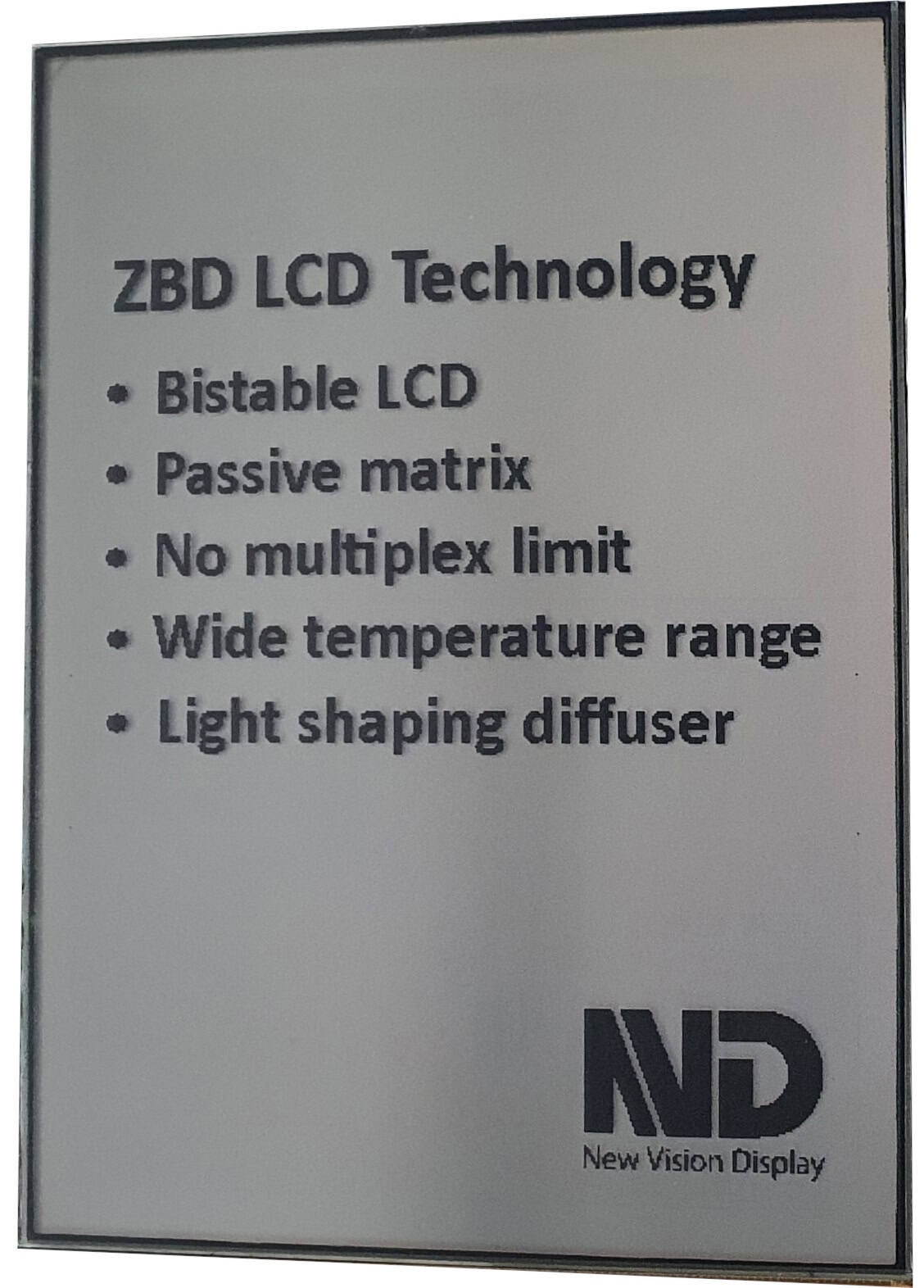
Bistable LCDs utilize specialized liquid crystal structures that can assume two stable states – typically light/dark – and remain visible even without continuous power supply. Unlike conventional LCDs, they only require energy during switching, making them particularly power-efficient. A well-known variant is ZBD (Zero Power Bistable Display), a technology originally developed in the UK and employed in electronic shelf labels and basic information displays. In this process, the liquid crystal is driven into one of two stable orientations by an electrical signal, rendering the display bistable.
Other bistable LCD variants are based, for example, on ferroelectric or nematic liquid crystals with a memory effect. Advantages of bistable LCDs include very low power consumption, a thin profile, and straightforward integration. Disadvantages include limited contrast, slower switching speed, and often restricted viewing angle stability compared to e-paper or OLED. They are particularly suitable for cost-sensitive applications requiring long display times without power consumption.
Ynvisible
Ynvisible is an electrochromic display technology developed by Canadian manufacturer Ynvisible Interactive Inc. Unlike electrophoretic e-paper systems such as E-Ink, it is based on electrochromic polymers that change color when a very low electrical voltage is applied. The display is semi-bistable, meaning that the displayed content remains visible even without a permanent power supply, while power is mainly only required when switching. This makes Ynvisible displays particularly energy-efficient, reflective displays with good readability in ambient light.
Technologically, Ynvisible displays are limited to segment displays and are therefore not suitable for complex graphics or high-resolution content. Their strength lies in their cost-effective production using roll-to-roll printing on flexible plastic substrates, which enables very thin, lightweight, and flexible displays. This allows for extremely competitive prices, especially for large quantities. Typical applications include smart labels, simple status displays, packaging, IoT devices, and electronic labels where low cost, flexibility, and extremely low energy consumption are more important than high resolution or color representation.
🟢Bistability: A key characteristic of e-paper is its bistability: a displayed image remains stably visible without power supply. The display only requires energy when the image content is changed. Between updates, the image persists indefinitely – even if completely disconnected from the power supply. This property is a primary reason for its extremely low power consumption.
🟢Low power consumption: Since e-paper only requires energy when the image changes and does not need a power supply when static, the average power consumption is significantly lower than that of LCD or OLED. Typically, a button cell or small lithium battery is sufficient for months or years of operation. Passive, battery-free solutions—such as those using NFC—are also feasible.
🟢Reflective display principle: E-paper displays operate entirely without backlighting. They use a reflective display concept in which ambient light—similar to real paper—is used to display the image content. This makes them easy to read even in direct sunlight and eliminates the need for an active light source. This reduces energy consumption and is particularly easy on the eyes during prolonged use.
🟢Viewing Angle: Furthermore, E-Ink panels offer an extremely wide viewing angle. Since the image is rendered visible by reflected light rather than emissive pixels, the display remains clearly discernible from almost any angle, without loss of contrast or color distortion. This characteristic makes E-Ink displays particularly suitable for public spaces or retail environments where information must be readable from various perspectives.
🔴Thermal Performance: The switching behavior of E-Paper displays is highly contingent on the ambient temperature. At lower temperatures, the viscosity of the carrier fluid increases, impeding the movement of pigment particles and consequently extending the image update time. Conversely, at elevated temperatures, the particles react considerably faster. The typical operational range spans from 0 °C to +50 °C – and potentially beyond, depending on the specific display type.
Response time: Compared to traditional displays, e-paper has a longer response time: a complete image change usually takes 200–500 ms for monochrome displays, while for color variants (e.g., Spectra, Gallery), the change can take several seconds. However, this is sufficient for many applications with static or rarely changing content (e.g., price tags, sensor displays).
🟢Contrast ratio: Modern E Ink panels such as the Carta generation achieve values of around 15:1 to over 20:1, which corresponds to good black-and-white printing on paper. Newer variants such as E Ink Carta 1250 offer further improved contrast and faster response times. This ensures razor-sharp display of text and graphics – especially in direct daylight. Combined with the high resolution, which reaches up to 300 dpi depending on the model, the result is an overall very eye-friendly and readable image quality, which is particularly noticeable when reading longer content or displaying clear visual information. Gray scales are also possible with optimized control. Colored variants such as E-Ink Spectra or Kaleido offer a lower contrast ratio (typically 5:1 to 10:1), but are interesting for applications with colored labeling or graphic highlighting.
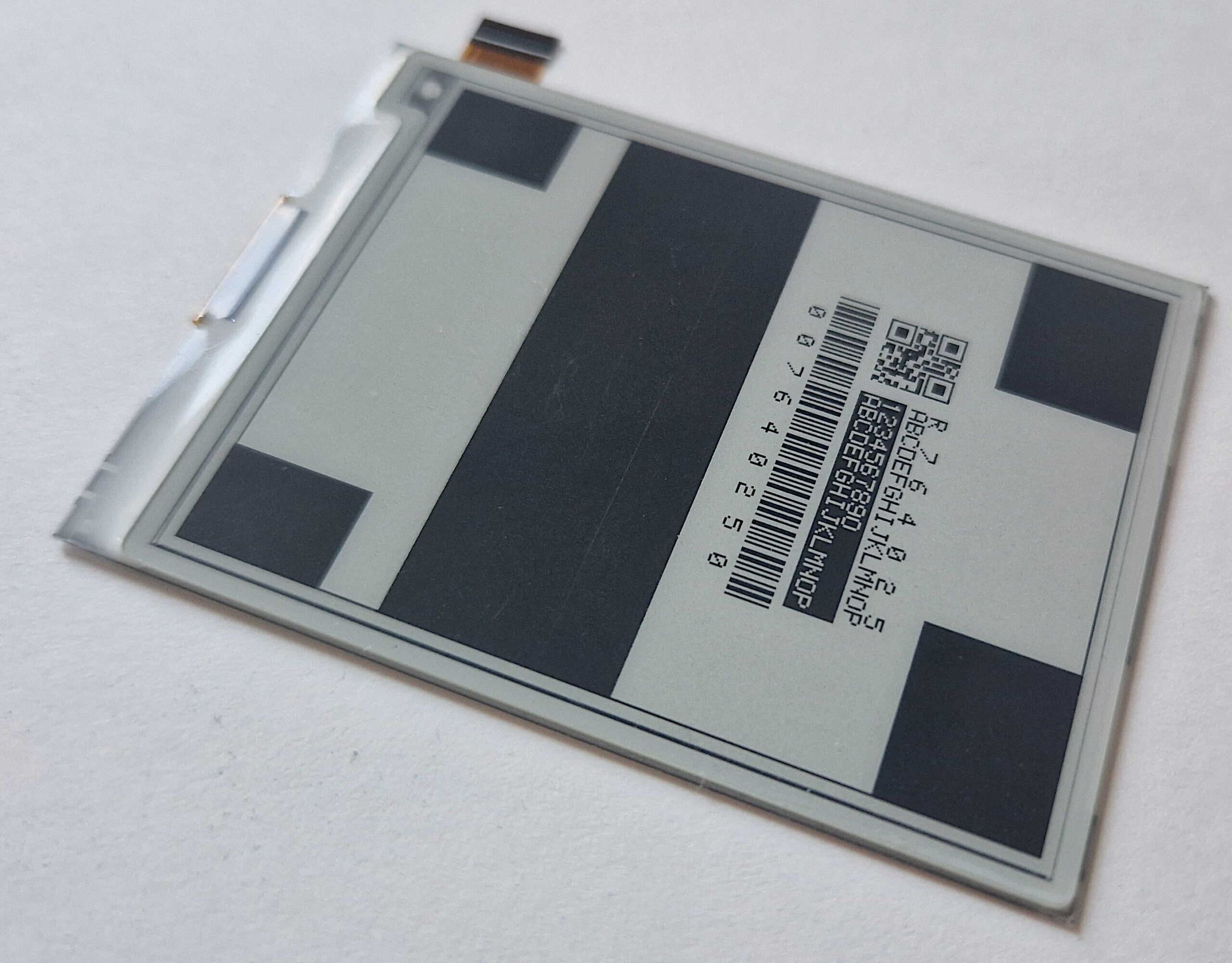
E-Paper is particularly well-suited for devices and applications prioritizing minimal power consumption, excellent readability, and infrequent image updates – such as digital price tags, wearables, or other energy-efficient electronic devices in the Smart Retail and IoT sectors.
Electronic Shelf Labels (ESL)
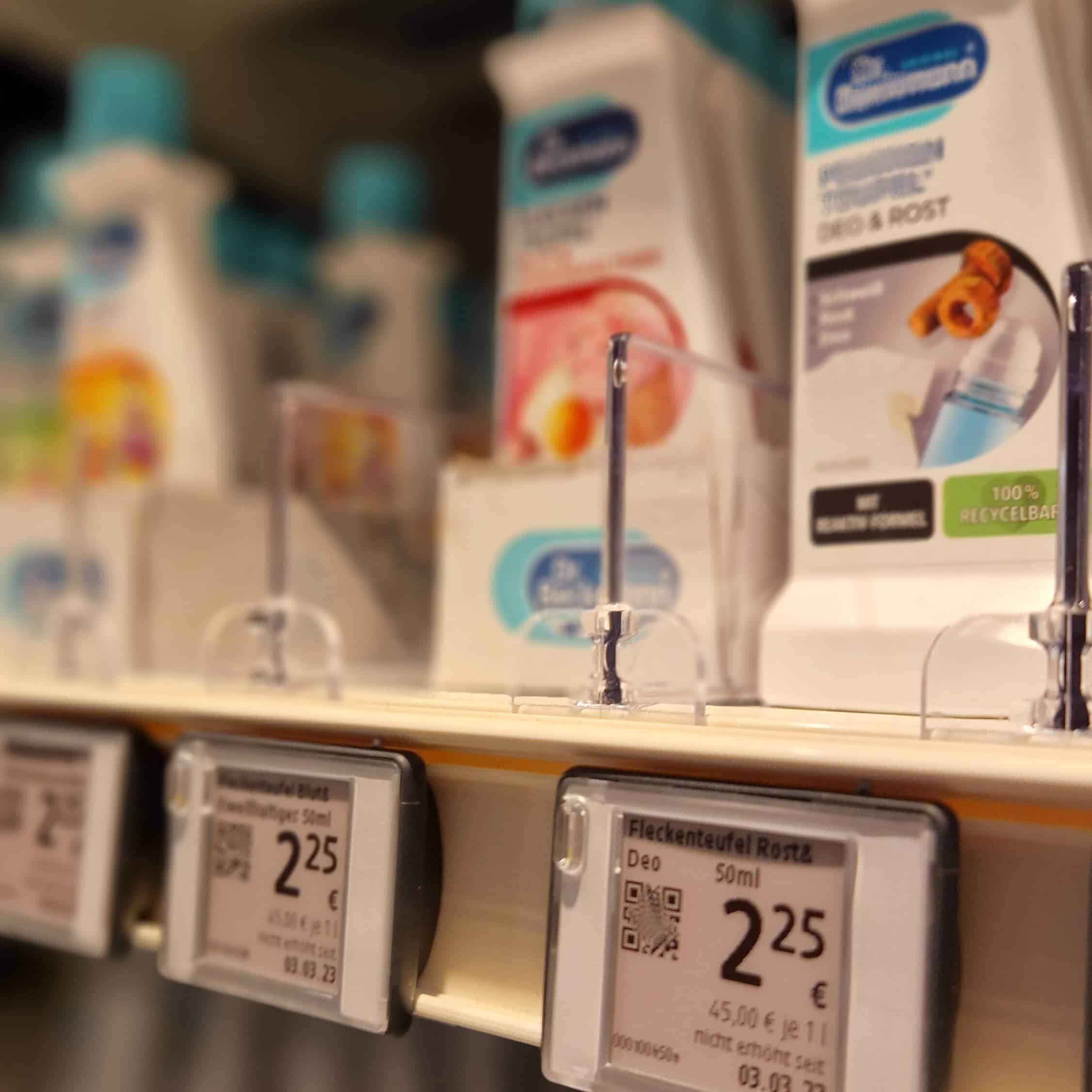
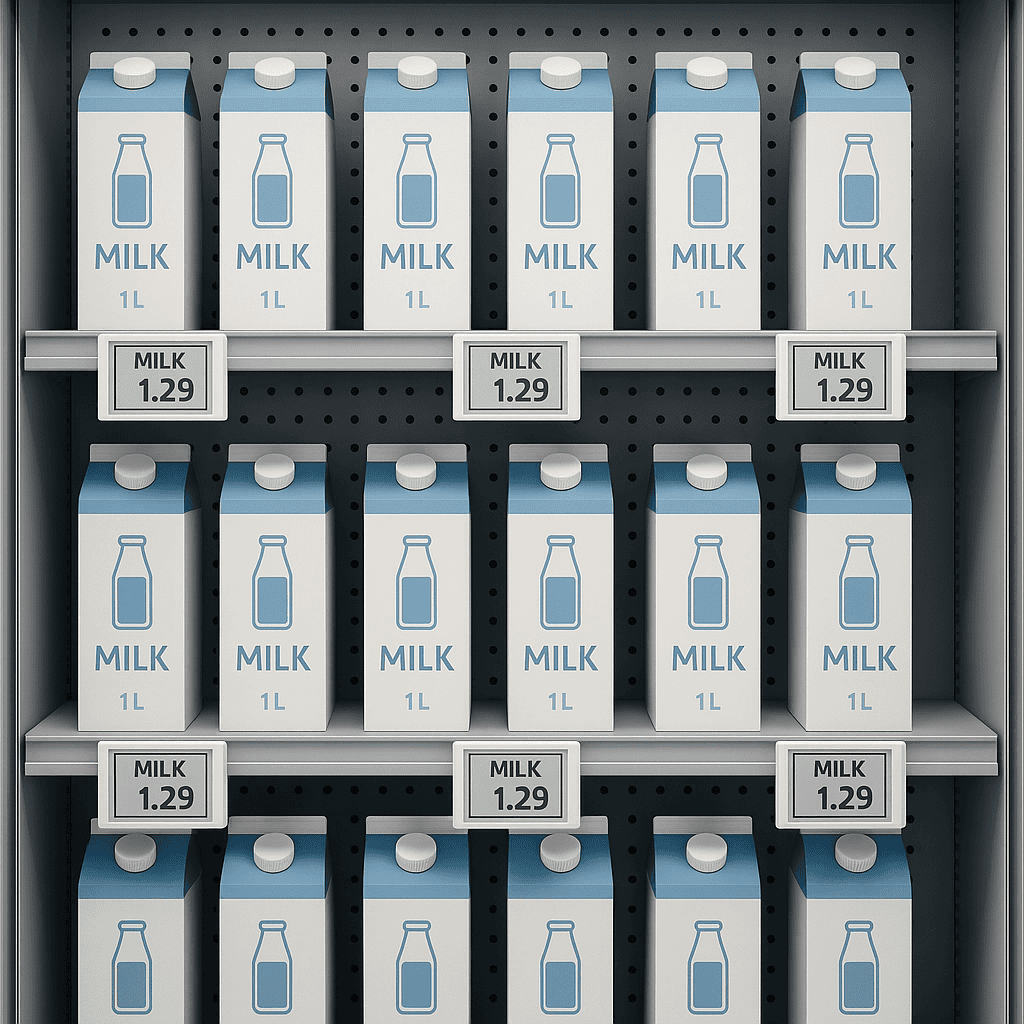
A primary application for E-Ink displays is Electronic Shelf Labels (ESL) in retail. These labels replace traditional paper tags with digitally updatable displays, centrally controlled via wireless protocols (e.g., Zigbee, Bluetooth, or 2.4GHz). E-Paper technology is ideally suited for this purpose due to its bistable display, which maintains image content without continuous power. Consequently, ESLs consume power only during price updates, allowing for multi-year battery life, often powered by coin cells. The reflective display ensures clear readability of content even under strong illumination or direct sunlight.
Digital Signage
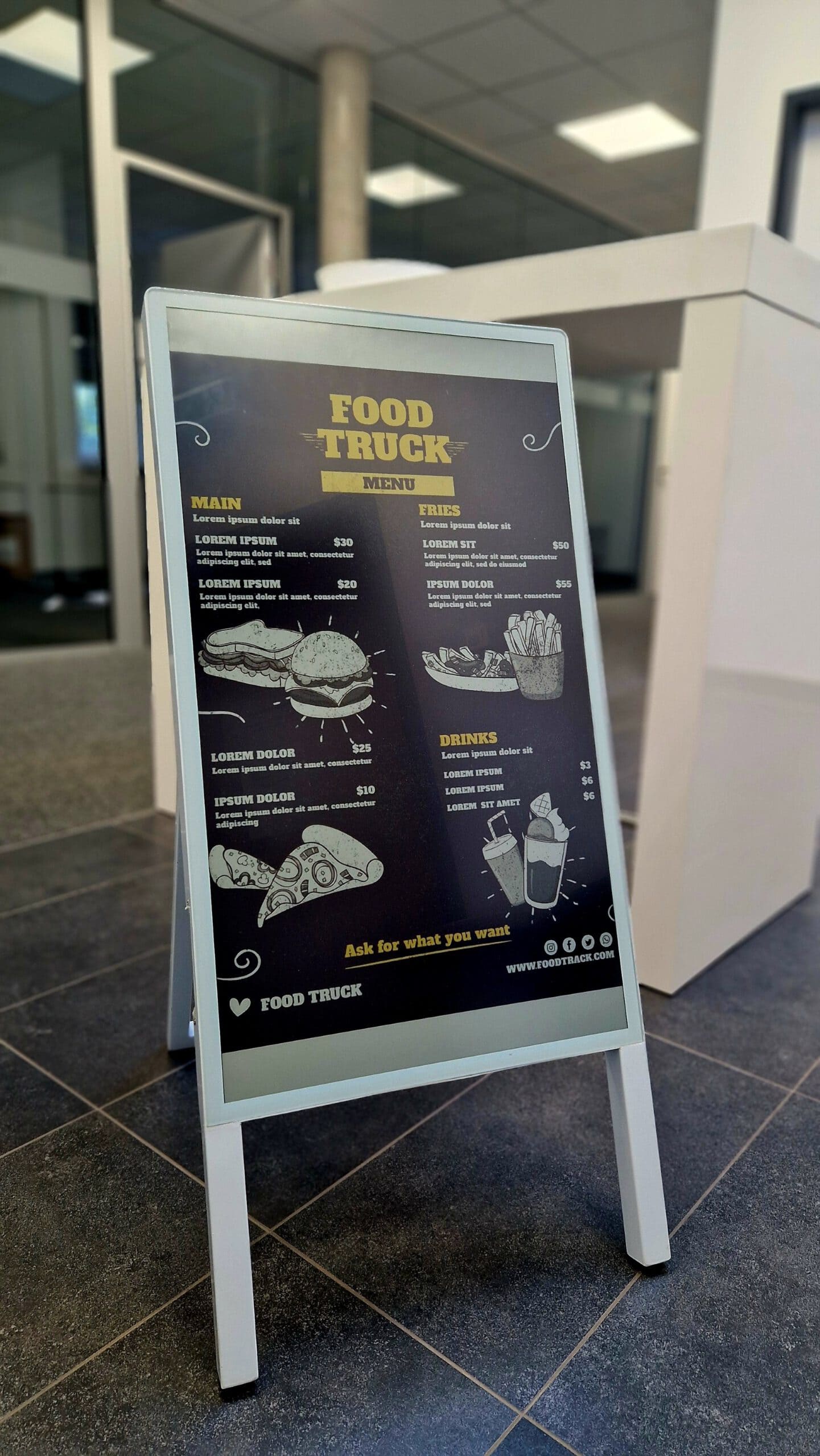
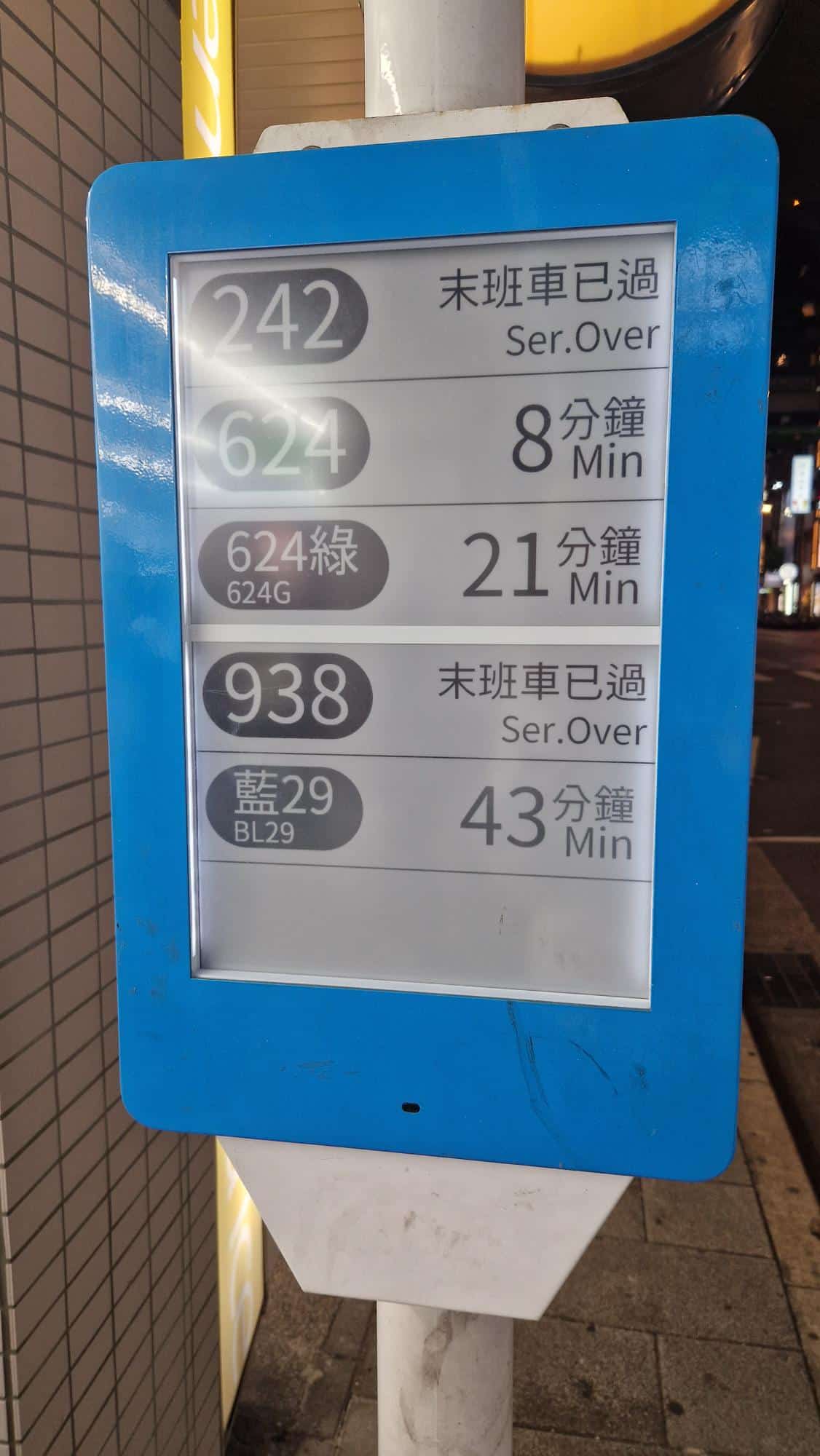
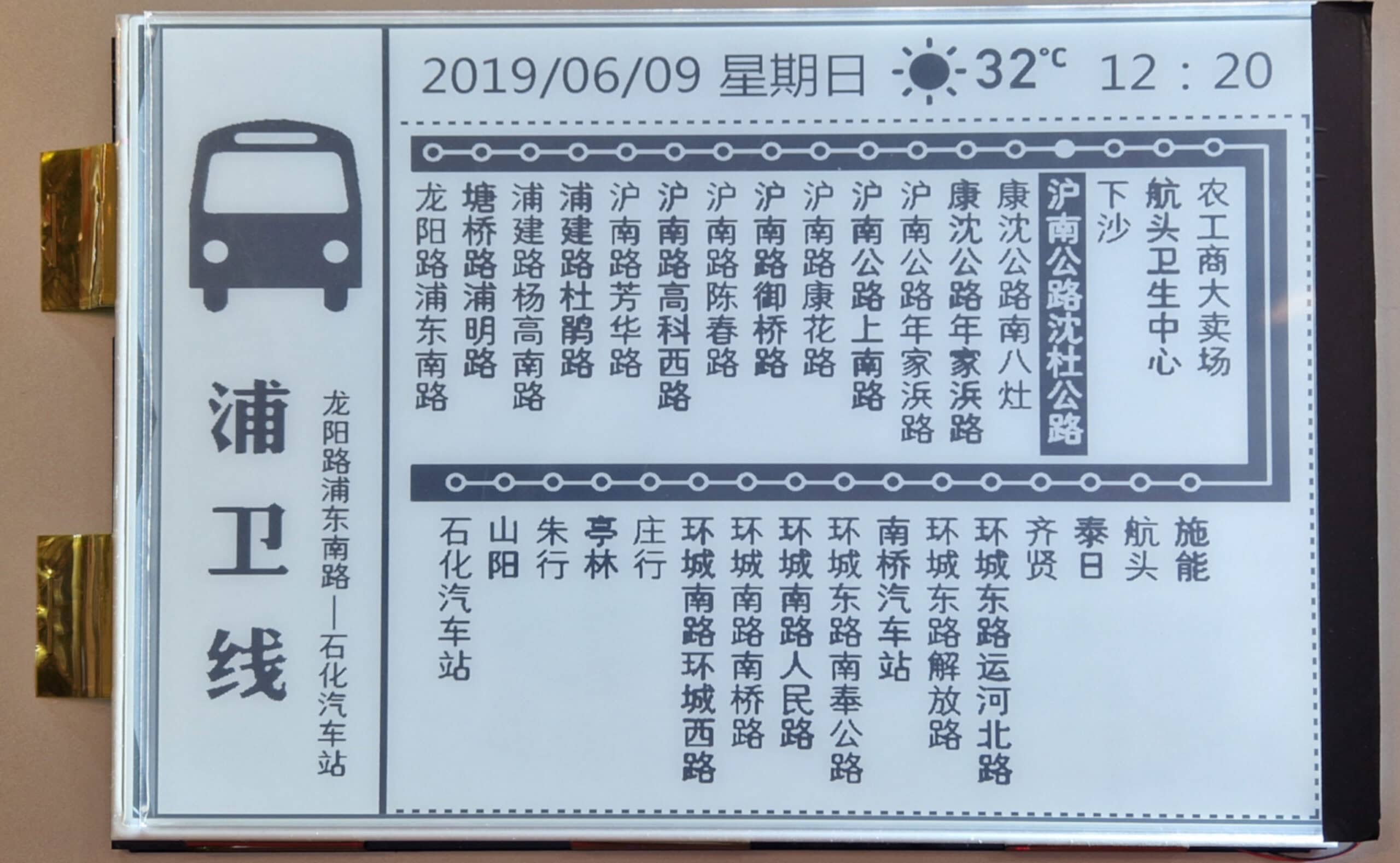
E-Paper displays are ideally suited for versatile signage solutions that require a continuously visible, power-efficient display. Whether as electronic door signs in office buildings, for flexible seat labeling at conferences or events, as digital timetables at bus stops, or as large-format digital signage solutions in public spaces – E-Paper impresses with its reflective, eye-friendly presentation and bistable technology, where image content remains visible without constant power supply.
Colored E-Ink displays are now also available, offering greater design flexibility thanks to additional color information – ideal for brand communication, pictograms, or warning notices. For particularly eye-catching applications, there are also large-format E-Paper displays with diagonals of up to 75 inches, which can be used for information pillars, guidance systems, or digital billboards, for example. Thanks to their low power consumption, many of these systems can be operated with batteries, solar panels, or even NFC—particularly advantageous in locations without a fixed power supply. E-paper solutions thus offer a sustainable, low-maintenance, and flexible alternative to classic LCD or LED systems.
Flexible E-Paper
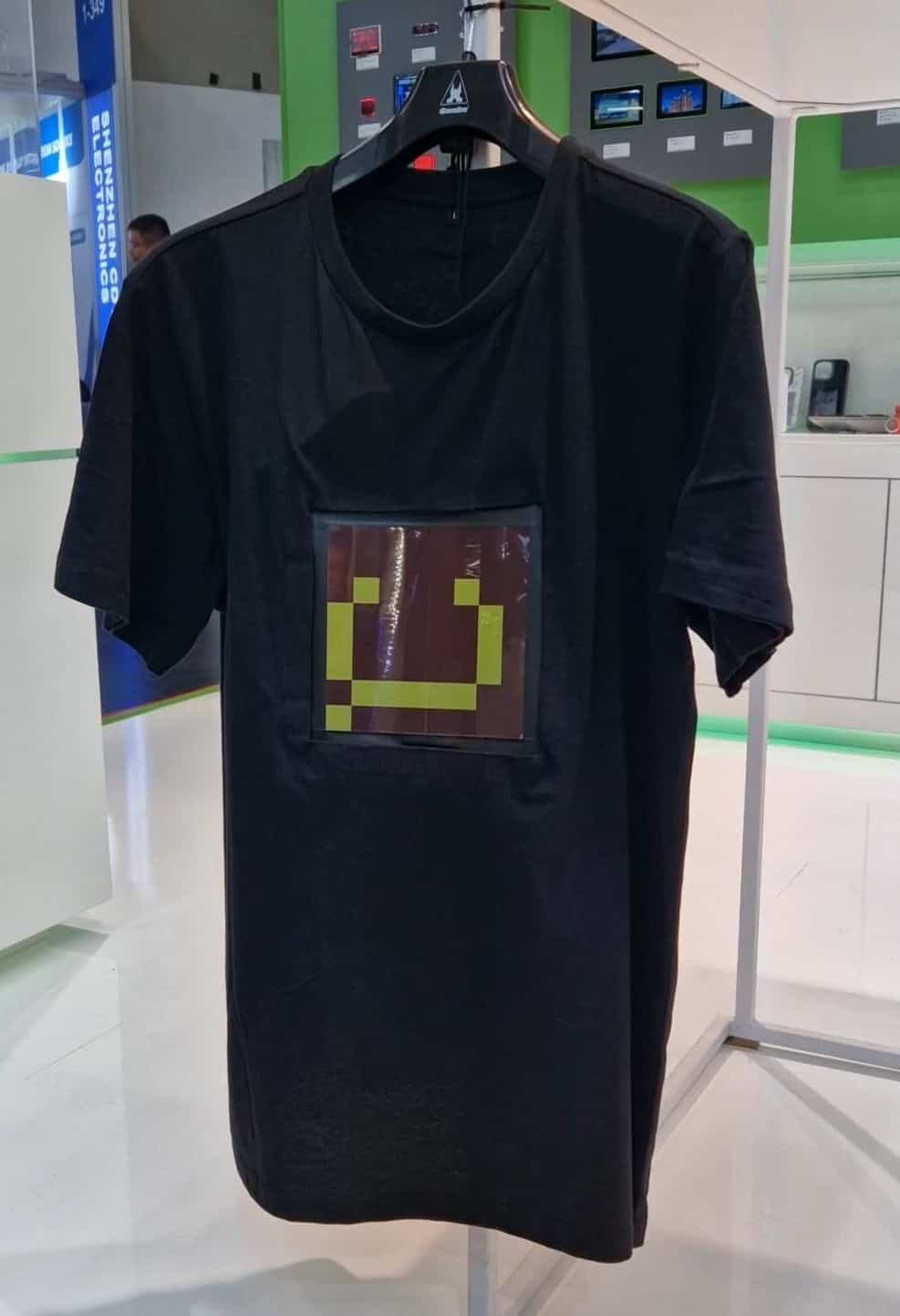
Another innovative branch involves flexible E-Ink displays, where the display layer is applied to bendable plastic substrates (e.g., PEN or PI films). These enable entirely new design freedoms, such as for labels on curved or uneven surfaces, smart packaging, wearables, medical patches, electronic wristbands, digital name tags, or integrated displays in textiles. Exciting application possibilities also arise in logistics, for instance, for reusable transport containers, and in the automotive industry for non-planar interior surfaces. Despite their flexibility, these flexible E-Paper screens retain all the known advantages of the technology – extremely low power consumption, a reflective, eye-friendly display, and high readability under various lighting conditions.
Fast-Switching E-Paper
Modern e-paper displays are no longer limited to static content—thanks to optimized control and suitable display types, fast-switching e-ink displays are now also available. These enable shorter response times and thus more dynamic content while consuming extremely low power. Such displays are ideal for applications with regular update intervals, such as digital clocks, meter displays, measuring devices, wearables, or status displays in industry. Particularly advantageous is the combination of reflective display, good readability in ambient light, and high energy efficiency, which also allows use in battery-powered or self-sufficient systems.
Wide-Temperature E-Paper
Specialized wide-temperature E-Paper displays are available for applications in challenging environmental conditions. These modules are engineered for an extended operating range of –15°C to +60°C, ensuring reliable readability and functionality even under extreme cold or heat. This capability is underpinned by adapted waveform strategies, temperature-compensated control algorithms, and appropriate materials. These displays are particularly utilized in retail, for instance, as Electronic Shelf Labels (ESL) in refrigerated cabinets, freezer sections, or exposed outdoor environments.
Operating ranges beyond these specifications, such as below –25°C or above +65°C, are currently technologically limited and present a significant challenge for E Ink technology.
Segment E-Paper
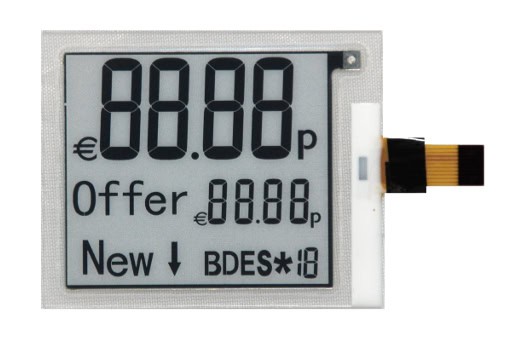
Segmented E-Paper displays are based on passive driving without an active matrix (TFT backplane) and are particularly suitable for applications where only fixed symbols, numbers, or icons need to be displayed. By eliminating complex tooling, costs are significantly reduced, making them a cost-effective alternative for customized designs. Instead of an addressable pixel grid, each display area is defined separately, ensuring the structure remains simple, robust, and power-efficient.
This technology is ideal for thermostats, measurement devices, timers, or control systems with fixed functionalities, where a reflective, eye-friendly display with minimal power consumption is essential. Segment E-Paper modules integrate the benefits of electronic ink with a straightforward, economical construction, making them perfect for mass-produced items with clearly defined display elements.
Outdoor E-Paper (UV-Resistant)
Although e-paper displays are generally well suited for outdoor use—thanks to their reflective display, low power consumption, and good readability in sunlight—there is a natural limitation in terms of UV resistance. Since e-paper modules are predominantly based on plastic-based materials, they are sensitive to long-term UV radiation, which can lead to discoloration, material aging, or loss of contrast. A truly "UV-resistant" e-ink solution does not currently exist. However, the effects can be significantly reduced by using special UV protective films or coated front panels. In practice, this can achieve a resistance of up to 3,000 hours of sunlight, for example for applications such as digital timetables, outdoor information signs, or temporary event signage. Nevertheless, especially with permanent outdoor use, fading or yellowing of the display over time must be expected. For critical applications, additional mechanical UV protection is therefore recommended, e.g., through housings or tinted covers.
Black and White E-Paper Displays
Black and white E-Paper displays represent the most prevalent form of electronic ink screens, leveraging various film technologies. They uniformly employ two-color, electrically charged pigment particles to render black and white content, forming the foundation for energy-efficient, eye-friendly, and persistently readable displays.
E Ink Carta
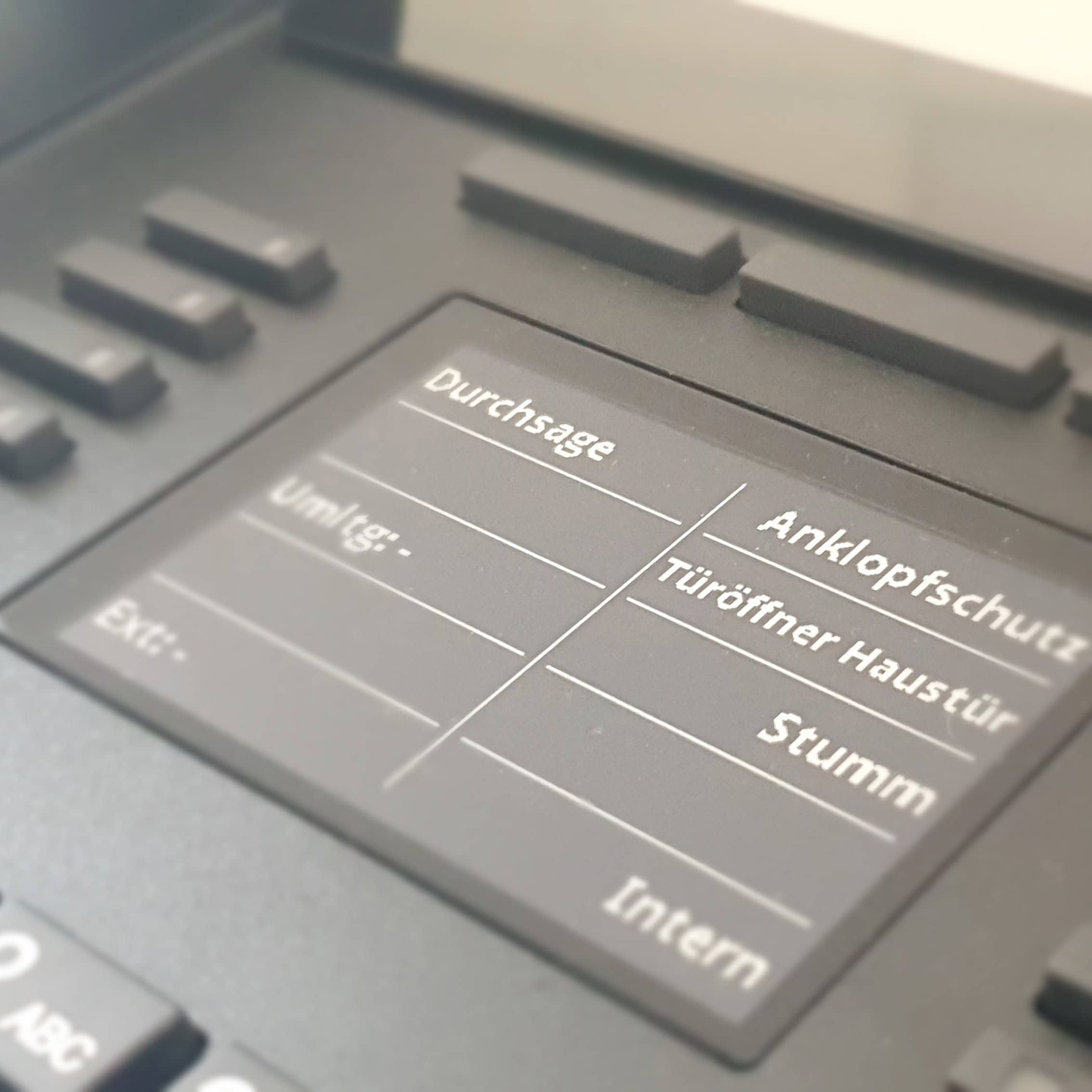
E Ink Carta is the prevailing standard technology for high-resolution monochrome E-Paper displays. It operates on the electrophoretic principle, utilizing microscopic capsules containing black and white particles that are moved to the surface or into the depth by electric fields. Carta delivers exceptionally high resolution, up to 300 dpi, an enhanced contrast ratio compared to previous generations (e.g., E Ink Pearl), and supports up to 16 grayscale levels. These characteristics render the technology ideal for applications demanding high readability, particularly in e-readers, electronic notebooks, and also in medical or industrial display units where clarity, energy efficiency, and sunlight readability are paramount. Carta displays are typically constructed on glass substrates and are available in various form factors.
E Ink Mobius
E Ink Mobius shares the same core display technology as Carta but employs a flexible plastic substrate as the carrier material instead of glass. This design results in a shatterproof, lightweight, and pliable display, particularly well-suited for applications prioritizing robustness or mechanical flexibility. Despite its thinner profile, Mobius delivers identical image quality to Carta, encompassing high resolution, excellent contrast, and grayscale support. Typical applications include portable readers, wearables, digital timetables, large-format E-Paper panels, or battery-powered information systems where weight and durability are critical factors.
Multi-Color E-Paper Displays
For color E-Paper applications, E Ink currently offers four distinct technologies, each varying in construction, color rendition, switching speed, and target application. Each of these platforms is optimized for specific use cases, ranging from retail and mobile reading devices to large-format advertising displays.
E Ink Kaleido
Kaleido is based on a Color Filter Array (CFA) positioned over a classic black-and-white E-Paper display. This filter array enables color representation by modulating the reflected light generated by the underlying E-Ink layer. Although its color saturation is lower than that of Spectra, Kaleido facilitates the integration of colors into e-readers, digital notebooks, and portable devices without significantly impacting their power consumption or sunlight readability. Kaleido is particularly well-suited for graphics-oriented mobile applications that combine text and simple color displays.
A key advantage of Kaleido, owing to its foundation on black-and-white E-Paper, is its rapid refresh rates.
E Ink Gallery (ACeP)
Gallery employs a complex multi-particle technology, combining four distinct pigment types (cyan, magenta, yellow, and black) within a single microcapsule. This enables full-color representation without color filters, offering a potentially very broad color palette. The technology is primarily suitable for static applications demanding high visual quality but not requiring rapid image changes – such as digital advertising, branding surfaces, or design installations. However, due to its extended refresh times and higher system complexity, Gallery has progressively lost practical relevance, especially when compared to Spectra 6, which offers similar color quality with superior performance.

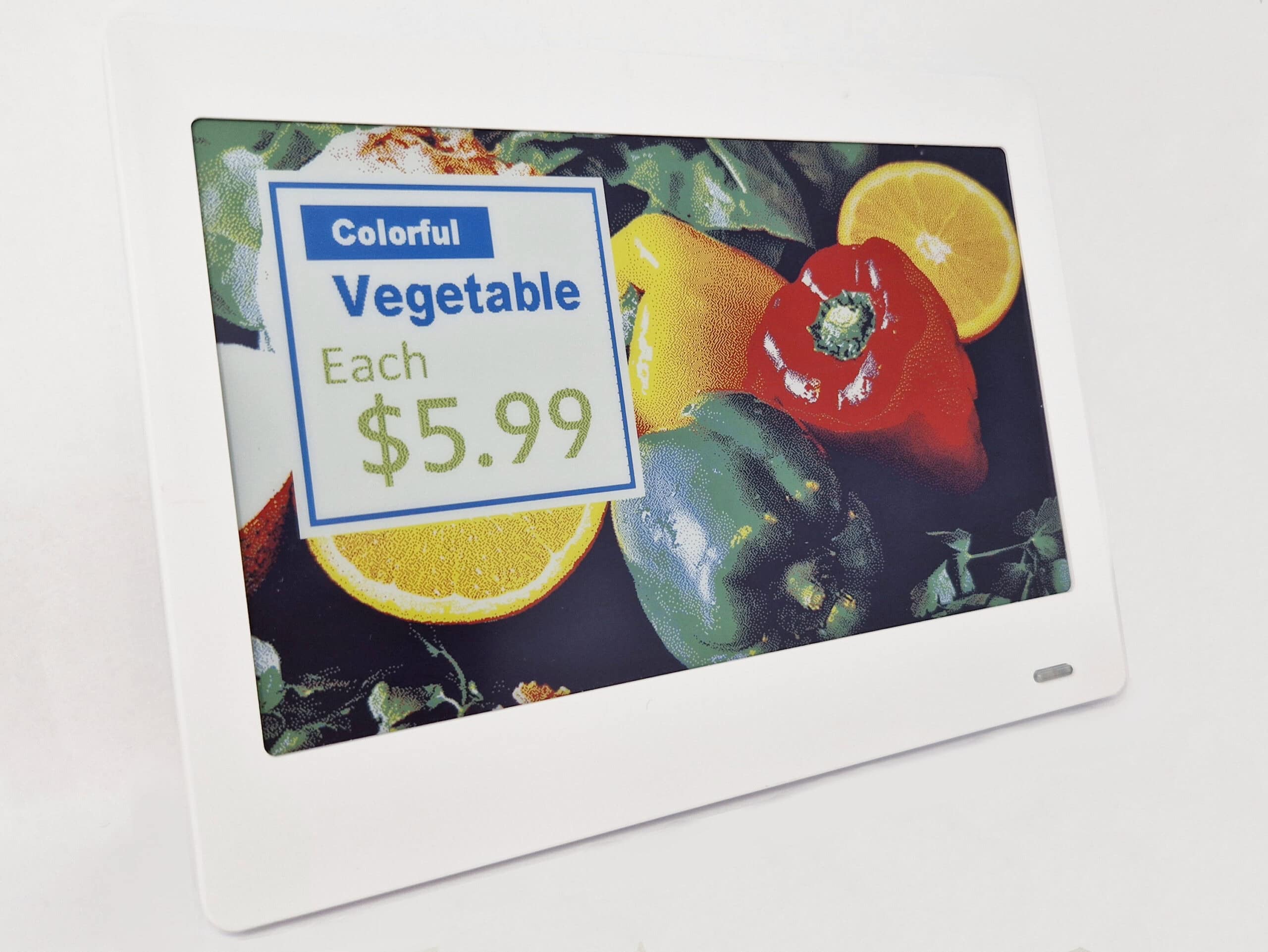
E Ink Spectra
Spectra is an electrophoretic color technology where colored and white pigment particles are directly contained within the microcapsules. In its latest version, Spectra 6, the technology supports full-color representation in the CMYK color space, featuring high color saturation, strong contrast, and good energy efficiency. Unlike other color systems, Spectra requires no color filters or backlighting. The technology is specifically designed for digital price tags, retail displays, and information-rich area displays where colors are strategically used for signaling or differentiation.
With enhanced switching times and color brilliance, Spectra 6 is regarded as the most future-proof color solution in the e-paper domain. Further details: https://lcd-mikroelektronik.de/news/e-ink-spectra-6/
E Ink Prism
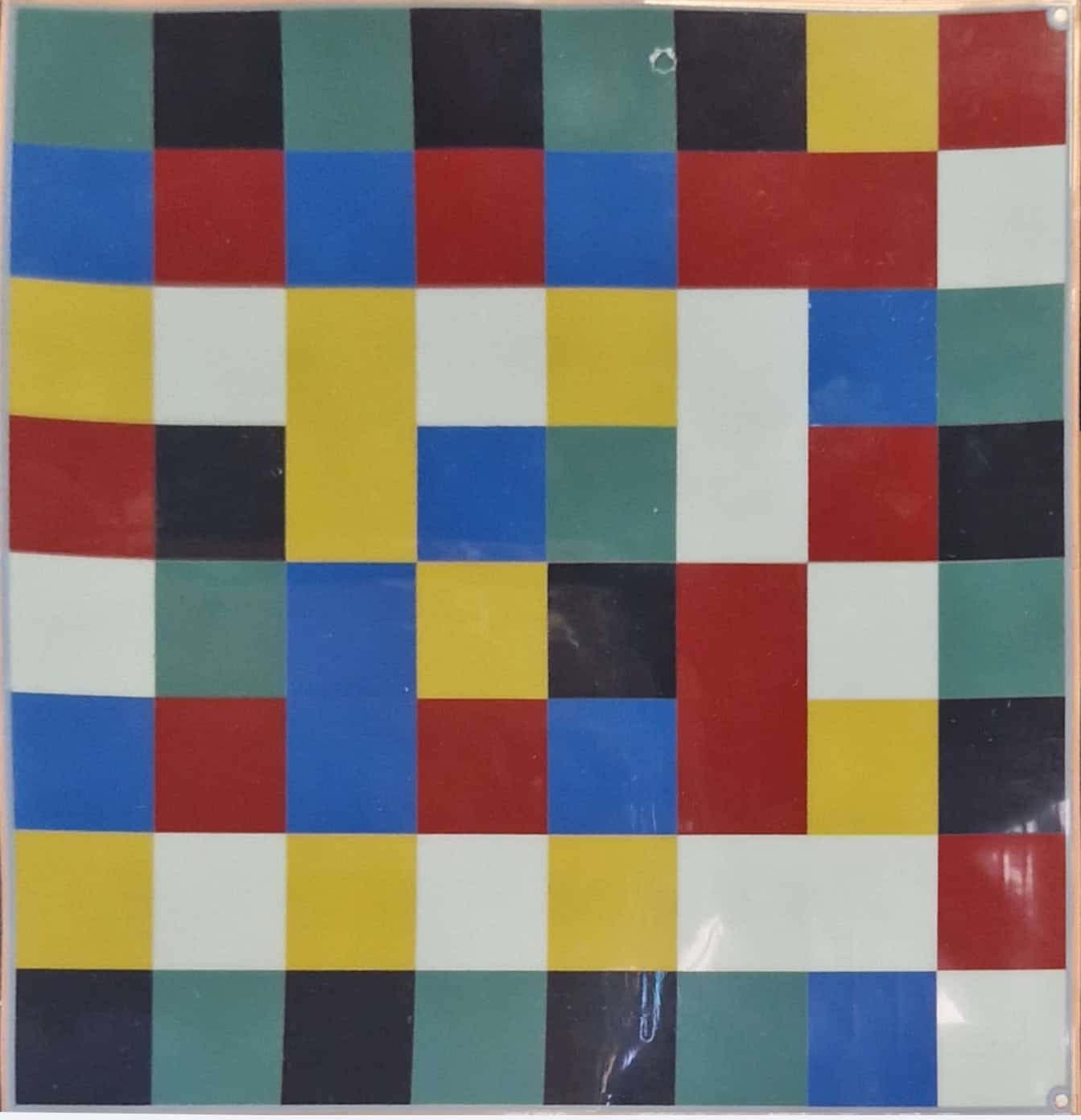
E Ink Prism is a specialized variant of E-Ink technology developed for segment-based, dynamically controllable color surfaces. Unlike typical E-Paper displays that render content pixel by pixel, Prism operates with larger, defined area elements – known as color segments – which can be precisely and repeatedly altered in their color representation. The objective is not to display text or images, but rather to achieve aesthetic or functional changes across entire surfaces – for example, in design, architectural, or automotive applications.
E Ink Prism is frequently utilized for adaptive design elements, such as in walls, furniture, retail displays, or vehicle interiors. The segmented structure allows surfaces to be reconfigured in real-time – for instance, to display patterns, color codes, or to interact with the user. As Prism can be flexibly laminated and applied to various substrate materials, it is also suitable for curved or structured surfaces.
A critical factor is the strong temperature dependency of E-Ink materials. The viscosity of the carrier fluid within the microcapsules changes with ambient temperature, directly influencing particle mobility and, consequently, refresh speed and display quality.
- Bei niedrigen Temperaturen (z. B. < 0 °C) verlangsamt sich die Bewegung der Partikel erheblich, was zu verlängerten Schaltzeiten oder unvollständigem Bildaufbau führen kann.
- At higher temperatures (> 40 °C), particles move too rapidly and uncontrollably, which can lead to image artifacts or 'ghosting'.
To ensure stable and high-quality image rendering under these conditions, waveforms are employed. These can be precisely adapted to different temperature ranges and accurately control how particles must move in their respective thermal state to produce a clean image free of artifacts or ghosting.
Waveforms
E-Ink displays do not require continuous data transmission for image changes; instead, they operate with precisely defined voltage profiles, known as waveforms. These complex voltage patterns are meticulously matched to the electrophoretic properties of the display and precisely control the movement of charged pigment particles within the microcapsules. This determines the image content displayed on the E-Paper. Depending on the desired grayscale value, color tone, or pixel state, a specific combination of polarity, amplitude, pulse duration, and frequency is applied to the corresponding electrodes. This signal control is managed by a display controller that accesses stored, calibrated waveform tables.
A central technological aspect is the adaptation of waveforms to the physical and thermal properties of the material. Since the viscosity of the carrier medium is temperature-dependent, the movement behavior of the particles changes with ambient temperature. At low temperatures, particle movement slows down, requiring longer and more powerful impulses. Conversely, at high temperatures, unstable image changes can occur. Therefore, the driving waveforms must be dynamically and temperature-compensated to ensure a stable and fast display even under extreme conditions – for example, between -20 °C and +60 °C.
E-Paper displays fundamentally differ from LCD, TFT, and OLED technologies due to their reflective, bistable nature, which is particularly energy-efficient and eye-friendly. While LCDs, TFTs, and OLEDs excel with high brightness, fast response times, and brilliant colors, E-Paper screens particularly stand out in direct sunlight and for continuous operation. This comparison demonstrates that each technology possesses its specific strengths and optimal application areas.
E-Paper vs. LCD Display / TFT Display
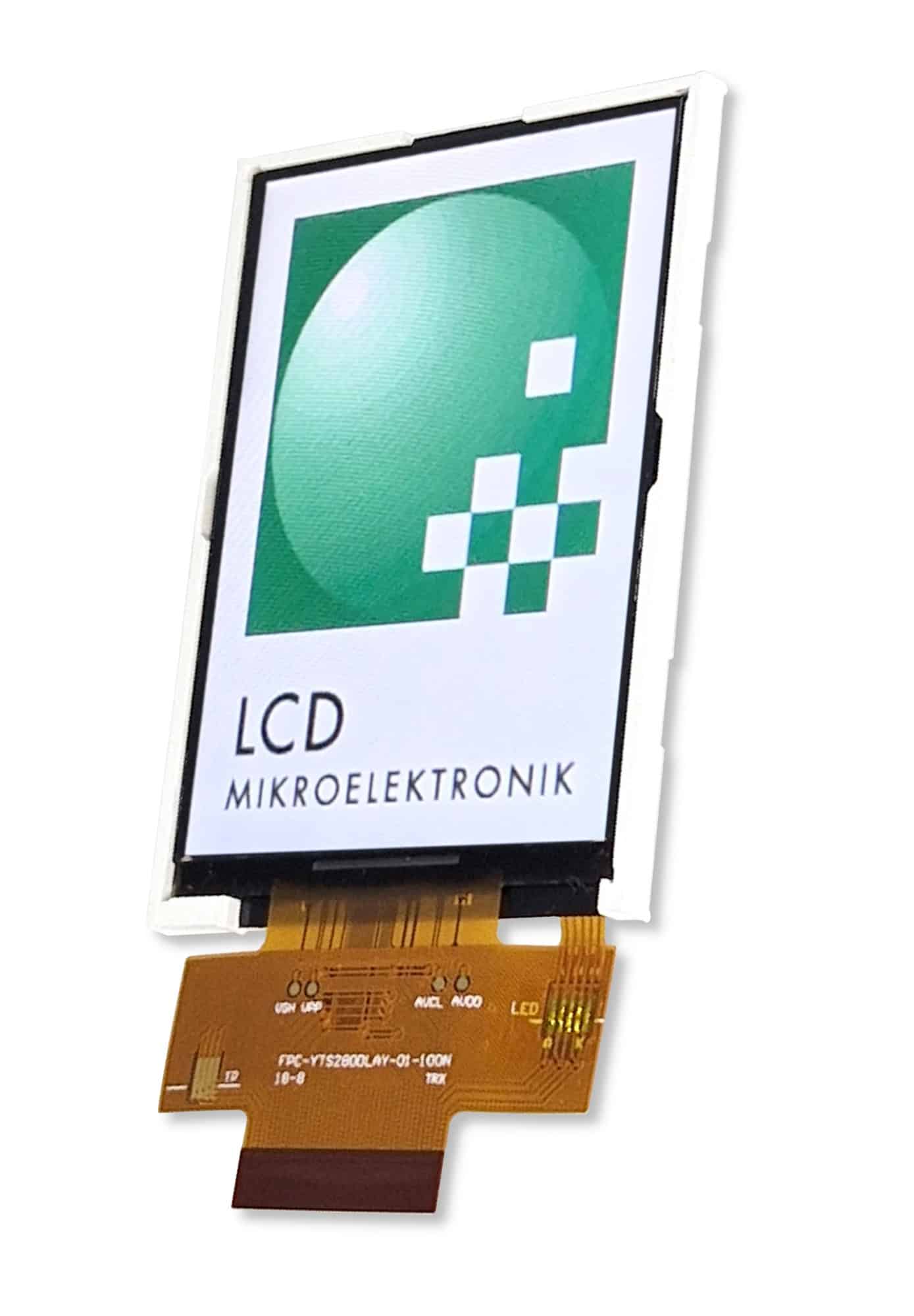
Unlike traditional LCD or TFT displays, which are based on a transmissive principle and require permanent backlighting, an e-paper display is a purely reflective display that uses only the available ambient light. This gives an E-Ink display excellent readability in sunlight, without reflections or flickering. In addition, the display is bistable—the image remains even without a power supply—which results in an extremely energy-efficient display. In direct comparison to an LCD display, which requires continuous power, E-Ink technology impresses with its low power consumption and suitability for energy-autonomous systems. While LCDs are superior in terms of colors and motion display, the e-paper display scores particularly well in digital price tags, industrial displays, or e-ink readers, where an eye-friendly, paper-like display is important for an optimal reading experience.
E-Paper vs. OLED Displays
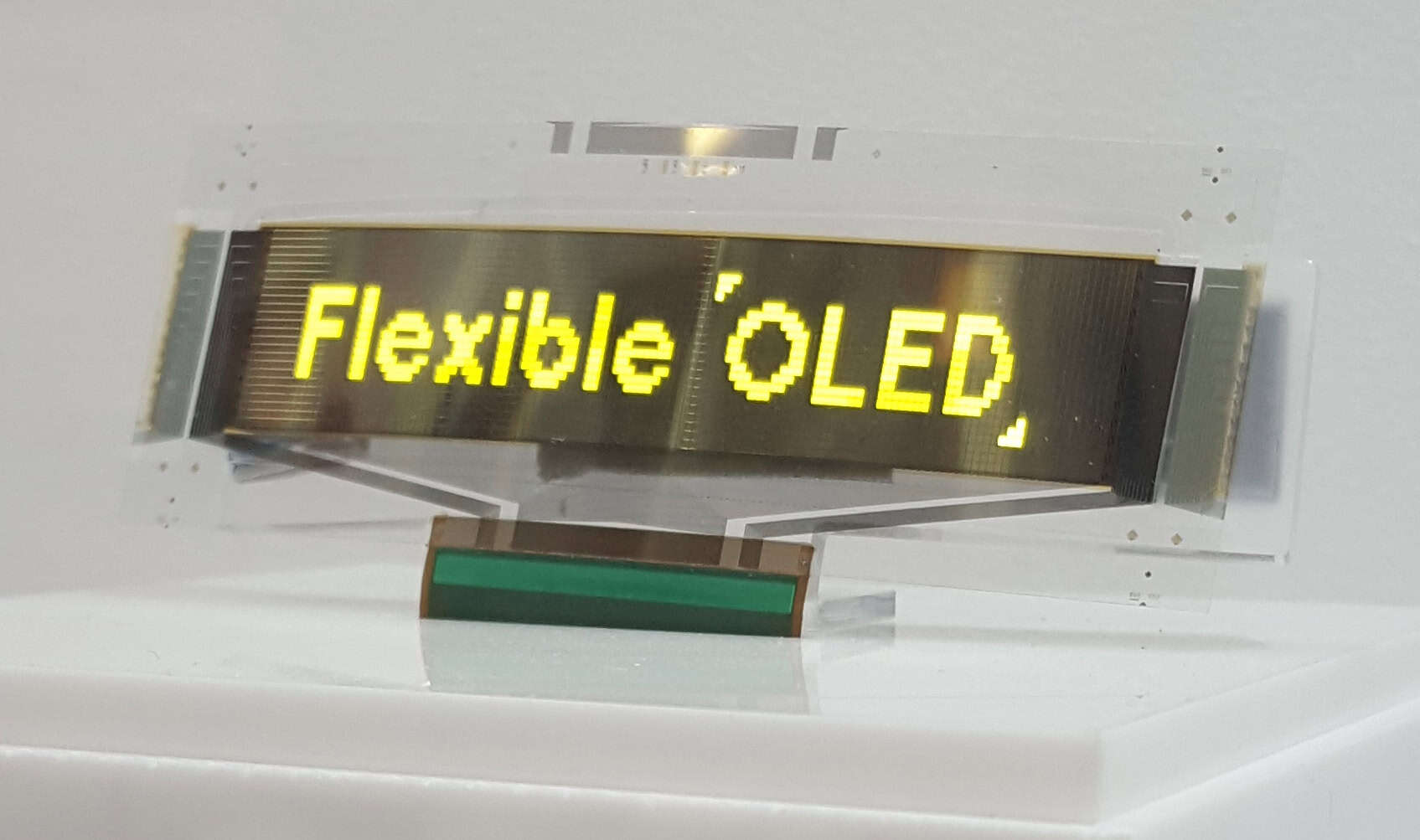
OLED displays belong to emissive technologies, where each pixel emits its own light. They enable impressive color depth, high contrasts, and fast response times – ideal for dynamic content, multimedia, or modern user interfaces. However, an OLED display is significantly less readable in daylight and consumes considerably more energy, especially with bright image content. In contrast, an E-Paper screen is a low-power display, ideally suited for applications requiring long display durations and minimal energy consumption. E-Ink technology is also flicker-free, permanently readable, and particularly eye-friendly due to its reflective operating principle – even during prolonged viewing. While OLEDs are designed for brilliant rendering and dynamic content, the strength of electronic paper lies in its combination of energy-efficient, paper-like display and excellent readability under various lighting conditions.
The integration of E-Paper modules necessitates a coordinated implementation across mechanics, electronics, and software. Key aspects include control, power supply, optional touch or frontlight components, and a housing-compatible design for optimal readability and functionality.
Standard E-Paper Sizes
We recommend using standard sizes for E-Paper displays, as these are typically offered by multiple manufacturers, thus providing significantly higher long-term availability. Their widespread market presence makes them less susceptible to discontinuations, which is crucial for industrial series products. Concurrently, the use of standardized formats facilitates easier vendor or technology transitions without requiring a complete design overhaul.
Typical sizes include: 1.54″, 2.13″, 2.7″, 2.9″, 4.2″, 7.5″, 10.2″, 11.6″, 13.3″, 23″, and 32″
Power Supply
E-Paper displays are characterized by their extremely low power consumption, as energy is only required during image changes. This characteristic enables a variety of power-saving supply concepts, even for long-term applications without a mains connection.
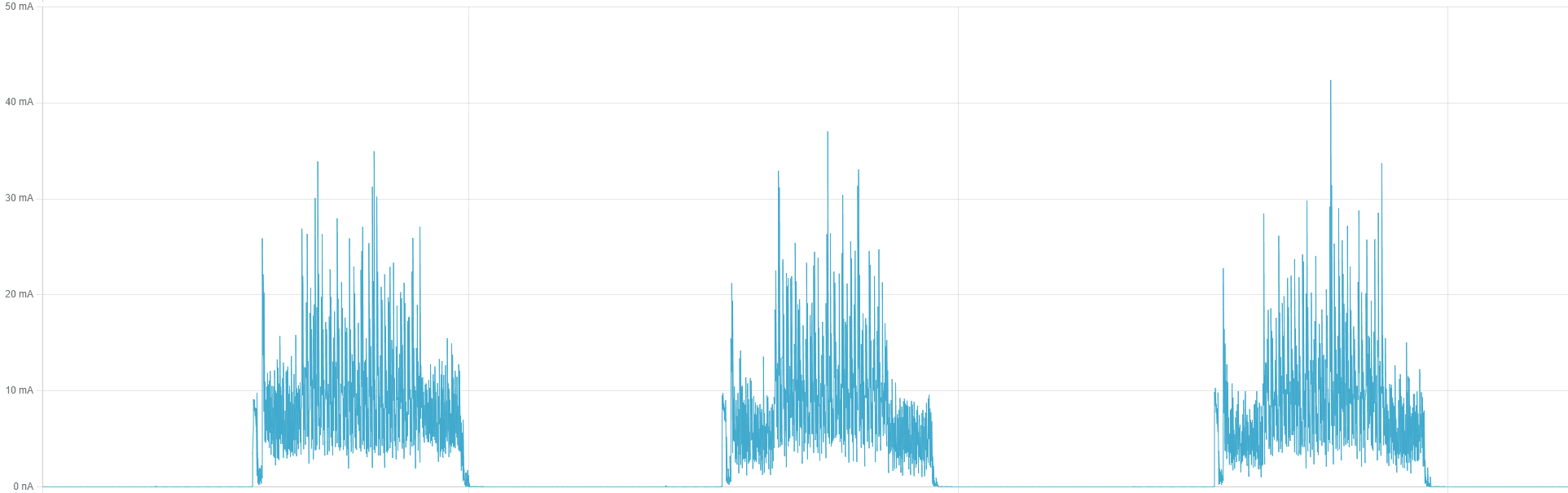
In many cases, a single coin cell (e.g., CR2032) is sufficient to power an E-Paper display for months or even years – for applications such as electronic price tags, sensor displays, or mobile status indicators. For battery-less or particularly compact systems, NFC (Near Field Communication) is an ideal solution: it enables both contactless data transfer and power supply, as seen in smart labels, electronic business cards, or access control systems.
Furthermore, other low-power supply solutions are also feasible, such as those utilizing supercapacitors, which are charged periodically via energy harvesting (e.g., solar cells, inductive coupling, or kinetic energy). These approaches are primarily employed where maintenance-free operation and extended lifespan are critical – for instance, in industrial environments, outdoor sensor technology, or networked IoT nodes.
Crucial for a reliable power supply is a coordinated power management system that considers not only the display but also the associated electronics (microcontroller, radio module, touch interface, sensors) and selectively activates or deactivates them to minimize overall consumption.
Data Transfer
E-Paper displays do not require a permanent data connection – image content is updated only when necessary. Data transfer can occur via various interfaces depending on the application. In stationary systems, LAN, RS232, or WLAN are frequently used, for example, in digital information boards or room occupancy systems. For mobile or energy-autonomous applications, Bluetooth Low Energy (BLE) or Sub-GHz radio systems are common – ideal for price tags, wearables, or IoT devices with decentralized communication.
For particularly compact, passive systems – such as smart labels or electronic access cards – data updates are often performed via NFC, with both power and data transfer occurring wirelessly via a smartphone or terminal. Combinations of a radio module with an optional USB or SPI interface are also common when occasional wired maintenance or initialization is required.
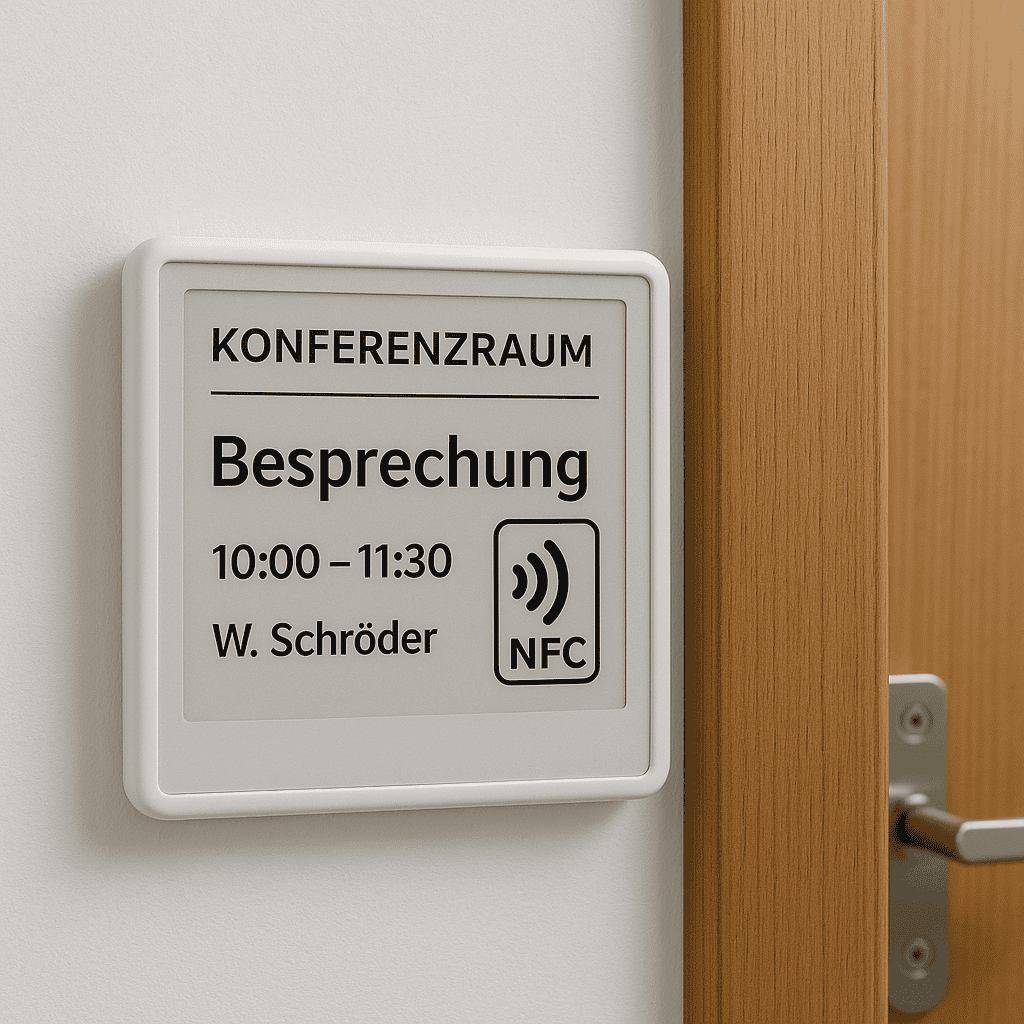
The update strategy can be centrally controlled (e.g., via a gateway or server) or locally triggered, depending on the application, for instance, by user interaction, sensor values, or time control. Since E-Paper displays do not require a permanent power supply, the last displayed content remains visible even if the data connection fails – a significant advantage over conventional displays.
Touchscreen
E-paper displays can also be combined with touch panels. Due to their often flexible structure and thin design, capacitive film touch systems (film PCAP) in combination with PMMA films are the preferred choice. These are particularly thin, transparent, and flexible, making them ideal for applications such as wearables, electronic price tags, or mobile note-taking devices.
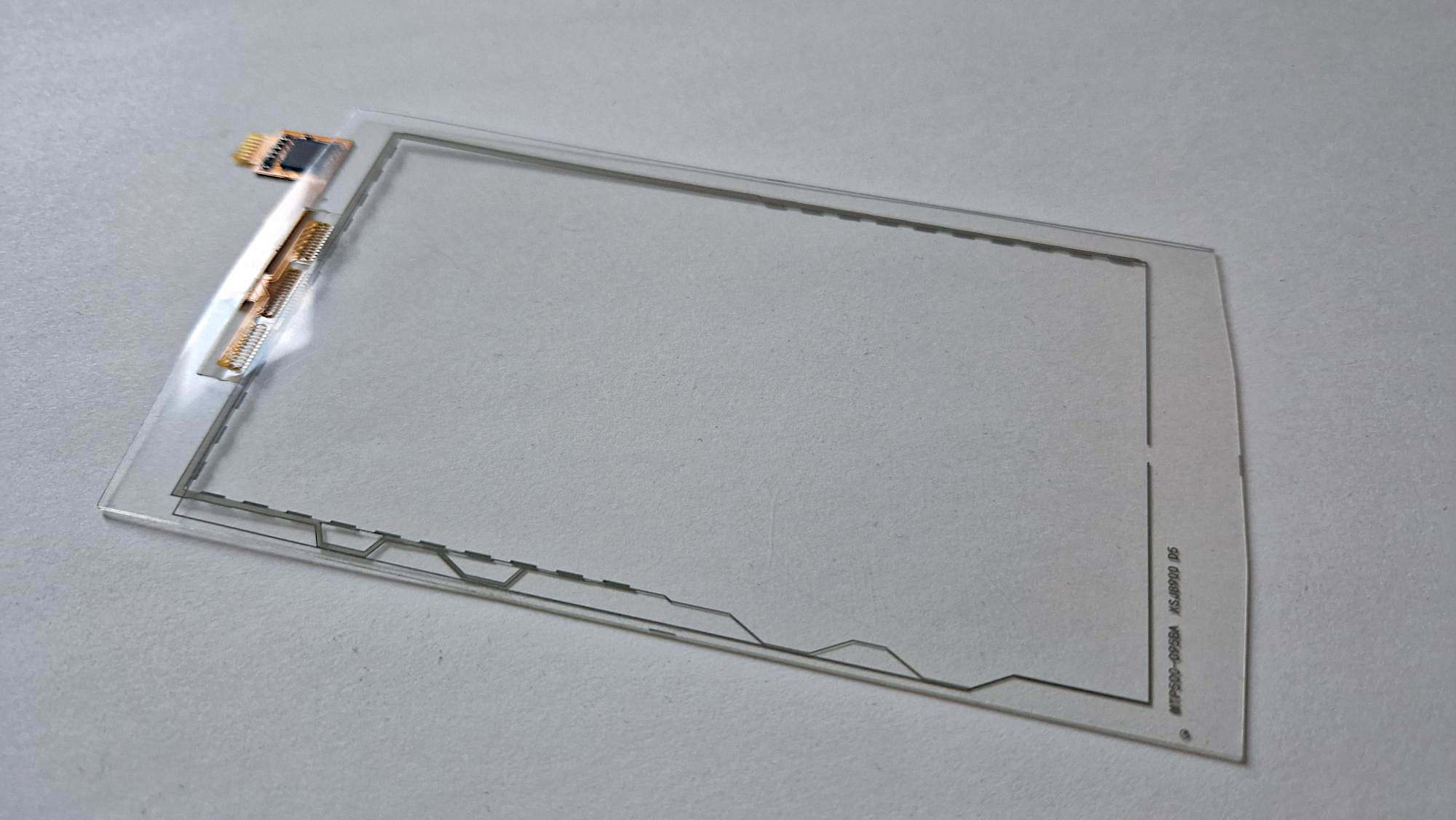
Given that E-Ink displays operate reflectively and do not incorporate backlighting, high transparency and flush integration of the touch panel are paramount for preserving optimal contrast and readability. Touch detection is typically facilitated by projected-capacitive sensors utilizing I²C or SPI interfaces. For precise stylus input, Electromagnetic Resonance (EMR) systems can also be integrated.
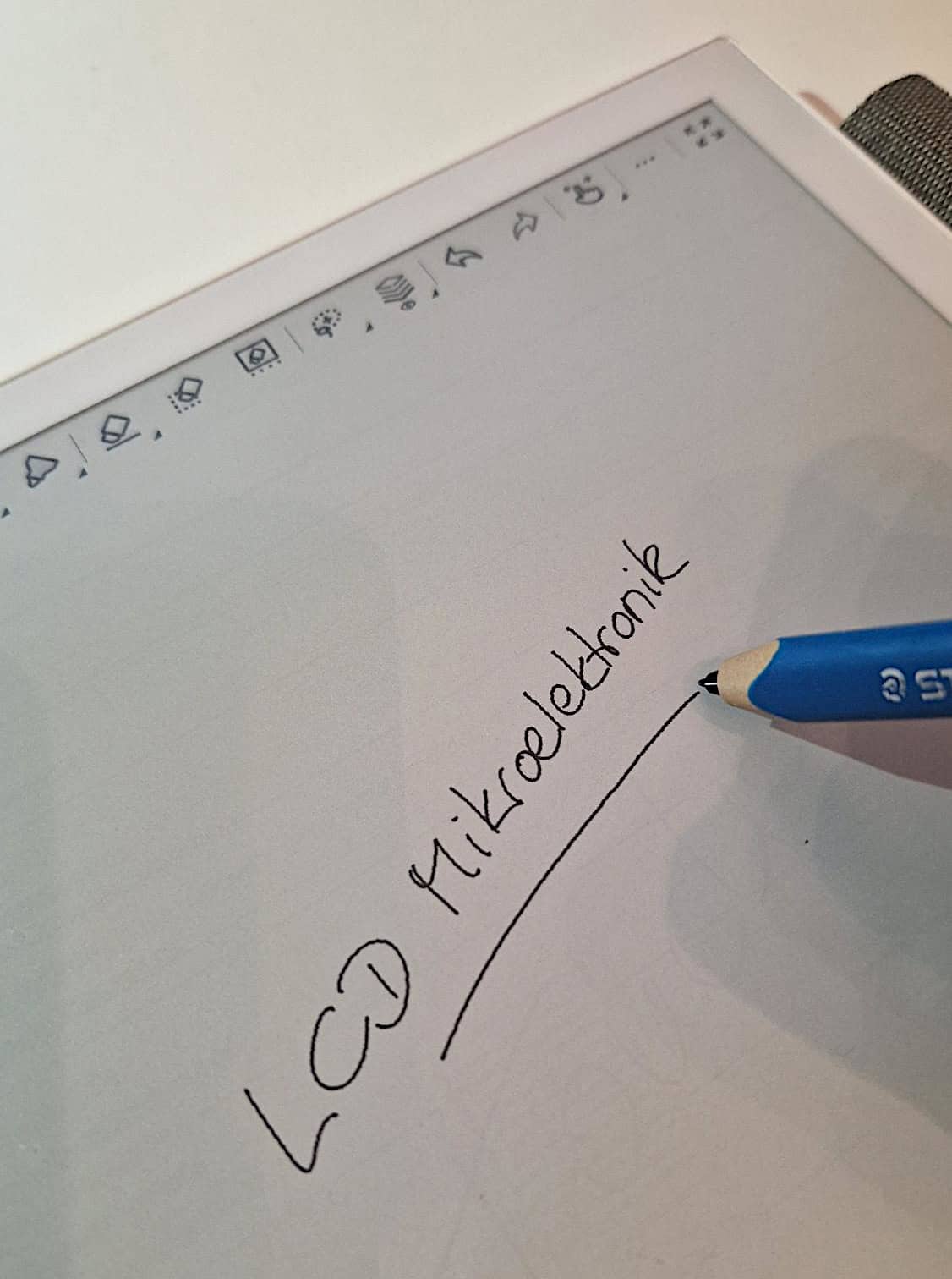
The combination is usually achieved using optical bonding to minimize reflections and improve mechanical stability. At the same time, the touchscreen and front protect the surface of the e-paper. It is also important to ensure proper EMC coordination so as not to interfere with the sensitive e-paper control system.
Illumination
Since E-Paper displays operate on the reflective principle and do not emit their own light, backlighting – as is common with LCDs – is not possible. Instead, a frontlight solution is employed when needed to ensure readability in low-light conditions or darkness. This involves a thin, uniformly luminous Light Guide Film (LGF) applied to the front surface of the display.
LEDs integrated into the side of this film feed in the light, which is then distributed evenly across the display surface by microstructures within the film. The structure is designed so that the light hits the e-paper at a flat angle and is reflected by the display—similar to ambient light. This preserves the paper-like image impression and prevents the annoying glare associated with transmissive displays.
Frontlight systems are extremely energy-efficient, can be implemented with dimming capabilities, and do not compromise the display's contrast or resolution.
Interfaces
E-Paper displays utilize various interfaces depending on the application. In compact, low-power systems such as IoT devices or electronic price tags, SPI and I²C are particularly prevalent due to their ease of integration and energy efficiency. SPI is especially suitable for faster data transfers.
For larger or high-resolution displays – such as those in e-readers or digital signage – parallel interfaces (8/16 bit) or MIPI DSI are employed, typically in conjunction with more powerful controllers or embedded systems.
E-Paper controllers also provide the necessary control logic, including waveform management, support various update modes (Full, Partial), and offer control lines such as Busy, Reset, or Command/Data Select. Depending on the design, an internal image memory can also be integrated, further simplifying system integration.
E-Paper displays have established themselves as a prominent technology in the field of low-power and eye-friendly display solutions. Their ability to permanently display image content without power consumption makes them ideal for applications where readability, energy efficiency, and continuous operation without mains power are paramount – such as in E-Ink readers, digital price tags, industrial displays, or IoT devices.
Future Developments
The technological advancement of E-Ink displays currently focuses primarily on two areas: improving color representation and accelerating image refresh rates. New generations such as E Ink Spectra 6 or Kaleido 3 increasingly enable vibrant colors, finer color differentiation, and shorter response times – even with partial updates. This makes E-Paper screens more attractive for applications in retail, advertising, or interactive labeling systems that were previously exclusive to LCD or OLED.
Another innovation path is the integration of E-Ink panels into foldable or flexible end devices. Thanks to technologies like Mobius (with plastic substrate), bendable or rollable E-Paper displays can be realized – a significant advantage for portable electronics, modular interfaces, or embedded applications with limited space.
Sustainability and Resource Efficiency
E-Paper displays excel due to their extremely low power consumption, extended lifespan, and the capability for battery-free operation, for instance, via NFC. Although CO₂ is emitted during manufacturing, E-Paper can achieve a superior environmental footprint compared to paper-based solutions over several years of frequent use – particularly in applications requiring dynamic content updates such as pricing, labeling, or signage.
A further advantage is digital updateability: content can be centrally managed without requiring on-site physical intervention. This eliminates the need for manual paper replacement, thereby saving labor hours and enhancing process efficiency. Consequently, E-Paper contributes not only to reducing resource consumption but also to optimizing operational workflows.
From an ecological perspective, E-Paper proves advantageous when updates are frequent and the display remains operational for several years. Economically, E-Paper often demonstrates a return on investment within a few months, primarily through reduced labor costs – with the added benefit of sustainability advantages.
Long-Term Availability and System Stability
A further advantage of E-Paper technology is its exceptional long-term stability. As it does not utilize organic light-emitting materials, unlike OLEDs, and operates passively, typical aging phenomena such as burn-in, contrast degradation, or reduced lifespan are largely negligible. Consequently, E-Paper displays are particularly well-suited for robust, long-life applications with minimal maintenance requirements.
Concerning module availability, the market currently benefits from the widespread adoption of standardized formats – particularly within the Electronic Shelf Label (ESL) segment. These standard dimensions are manufactured by multiple display producers, substantially mitigating the risk of short-term product obsolescence. For OEMs and system integrators, this translates into enhanced procurement planning security.
However, a dependency on market trends also exists: should major ESL system providers opt for novel or proprietary formats in the future, currently prevalent sizes could be superseded by new standards. This introduces the risk of existing formats becoming obsolete in the medium term – particularly if independent demand outside the ESL sector is insufficient.
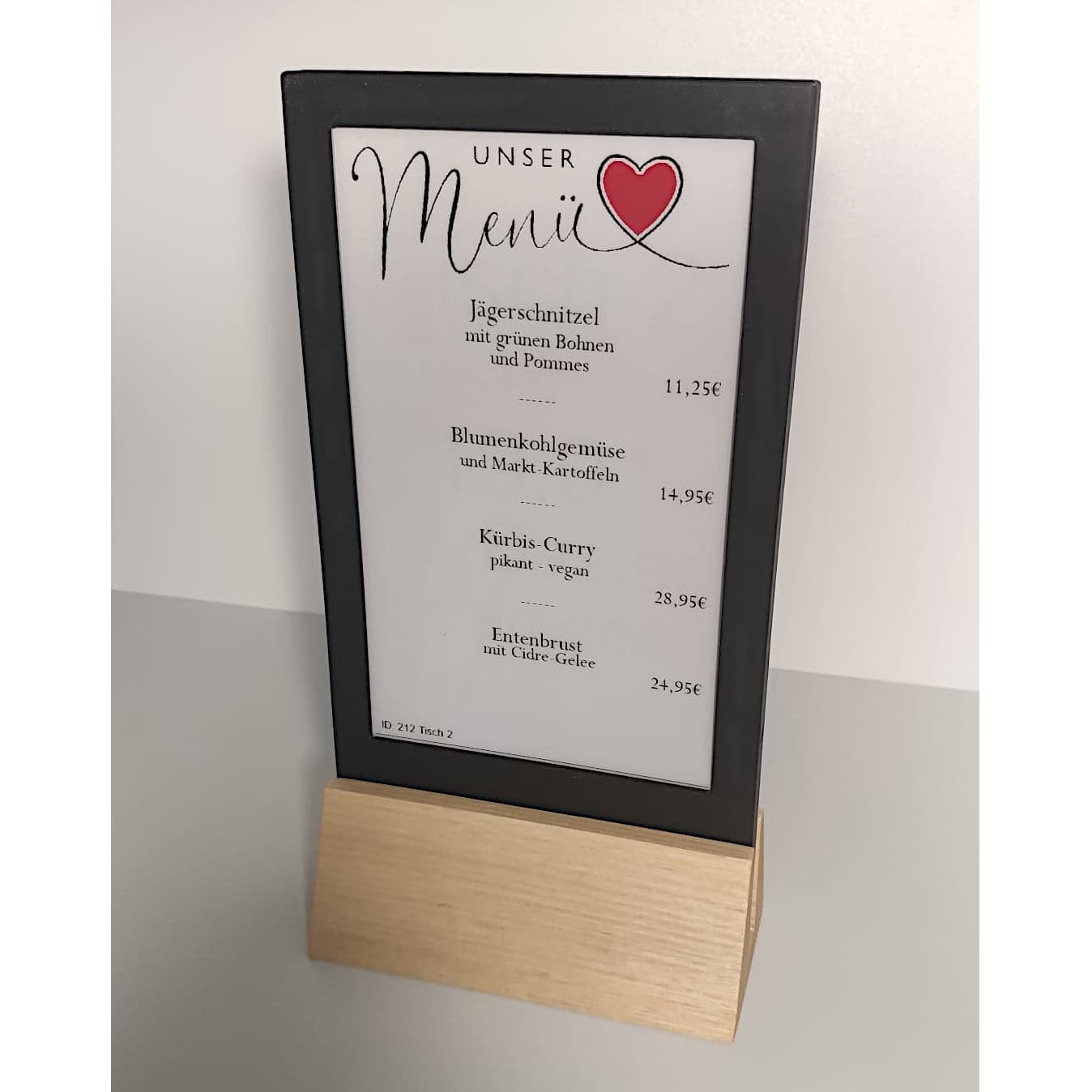
E-Paper Displays from LCD Mikroelektronik – available in formats ranging from 1.1 to over 32 inches, with optional flexible film PCAP touch. These are ideal for applications demanding high ambient light readability, extended operational periods, and minimal power requirements.
As an experienced display partner, we provide comprehensive support not only in selecting the optimal E-Paper display but also in its seamless integration into the end device, encompassing customized control, optimized waveforms, and mechanical design. Leveraging years of expertise, we precisely optimize switching times, facilitate operation across extended temperature ranges, and enhance resistance to UV radiation.