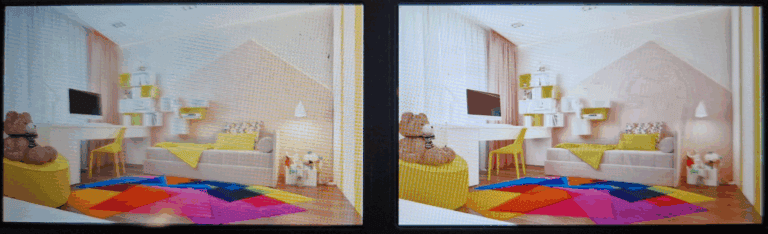
RGBW TFT vs. RGB TFT
What is the difference – and when is each panel worthwhile? RGB panels (Red-Green-Blue) are based on the classic principle: each pixel consists of…

What is the difference – and when is each panel worthwhile? RGB panels (Red-Green-Blue) are based on the classic principle: each pixel consists of…
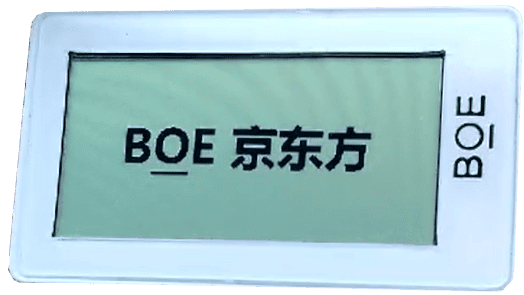
In high-ambient-light applications, such as outdoor devices, industrial displays, or battery-powered HMIs, conventional display technology frequently encounters limitations. Standard backlit TFTs necessitate...

E-paper displays have been established for years as a power-saving and eye-friendly display technology – especially where content is displayed statically and a…
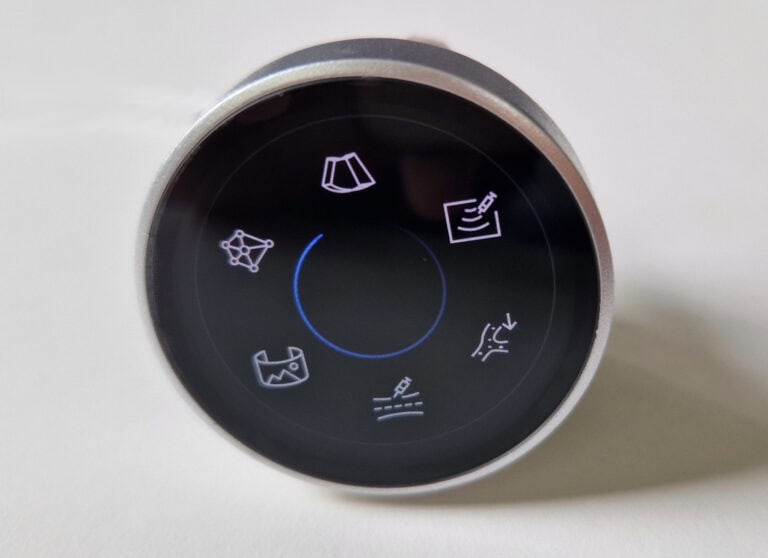
In industrial automation, the automotive sector, or high-end equipment manufacturing, haptic control elements remain in demand – especially where tactile feedback, precision, and…
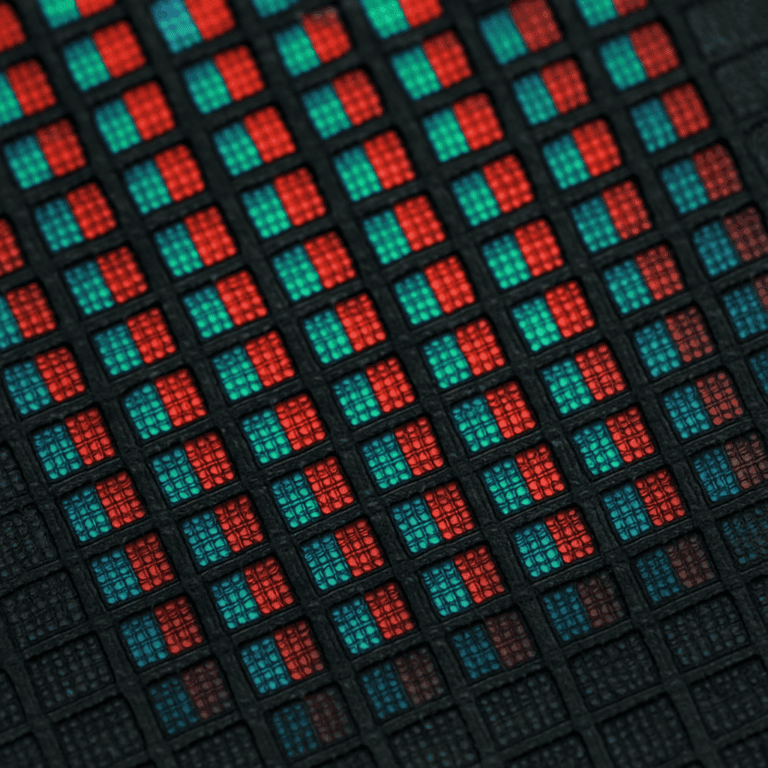
Micro-LEDs are considered a promising successor to LCDs and OLEDs, offering advantages such as extreme brightness, high energy efficiency, and extended lifespan. But how…
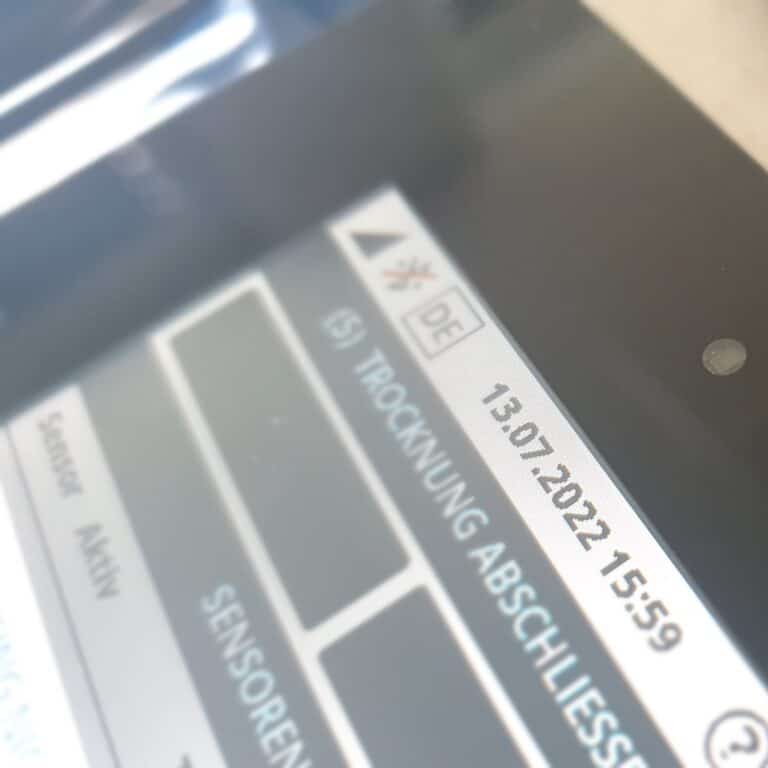
Modern machine controls are increasingly relying on graphical touch displays instead of simple text or symbol indicators. As display sizes increase from approximately 3.5 inches, the demands on...

Displays are at the core of countless applications – from industrial facilities and medical technology to smart home devices. Regardless of whether it's a passive LCD, TFT…
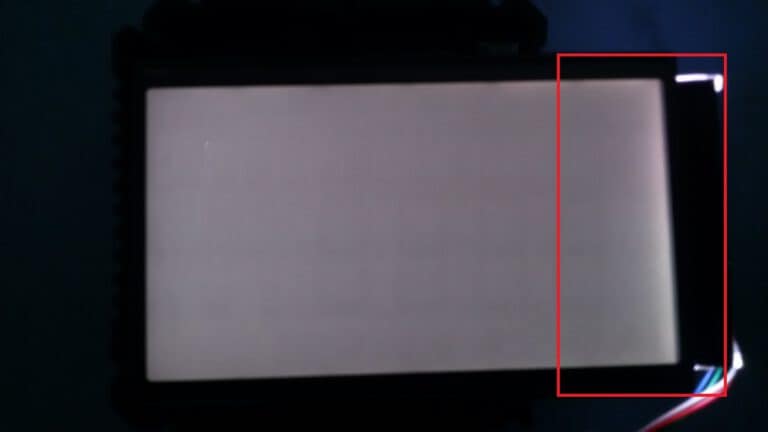
TFT displays do not generate light themselves – they utilize an LED backlight, which is controlled by liquid crystals to allow or block light. In the case of…
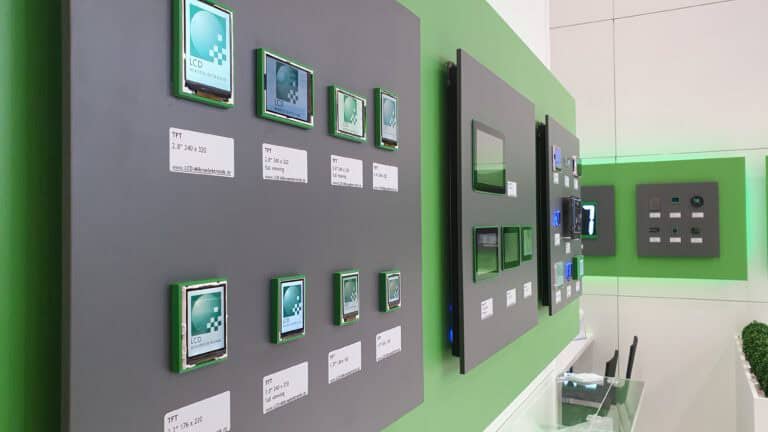
What is an SPI-TFT display? TFT displays with an SPI (Serial Peripheral Interface) are a particularly space-saving and cost-effective solution for microcontroller projects where data transfer speed…

China's 2025 Subsidy Program: Promoting Digital Devices and its Impact on TFT Prices In January 2025, the Chinese government introduced a comprehensive subsidy program to promote…